The First HVAC Quote Wins: The $45,600 Speed Problem for Local Contractors
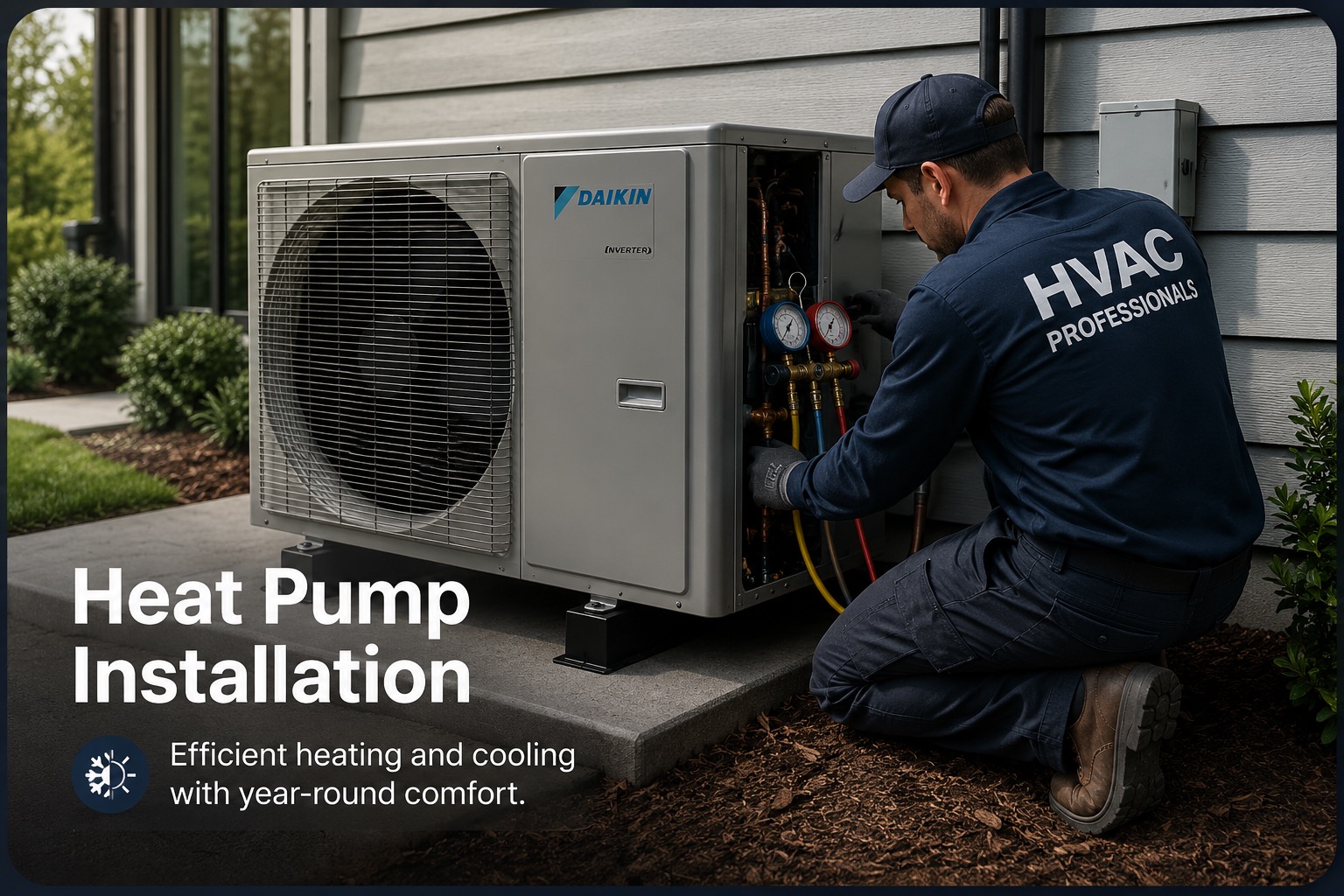
The First HVAC Quote Wins: The $45,600 Speed Problem for Local Contractors For local HVAC contractors, slow quoting is no longer a harmless back-office delay; it is a measurable sales leak. The shops that win in 2026...
The First HVAC Quote Wins: The $45,600 Speed Problem for Local Contractors
For local HVAC contractors, slow quoting is no longer a harmless back-office delay; it is a measurable sales leak. The shops that win in 2026 will not necessarily be the biggest or most automated. They will be the ones that can give homeowners a clear, professional HVAC quote while the need is urgent and the technician is still trusted.
That is the real warning inside PipelineOn’s June 2026 analysis of ServiceTitan’s 2026 Residential State of the Trades Report, which pointed to missed calls and slow lead response costing HVAC contractors an average of $45,600 per year. That number will not match every shop. It is not a promise, a forecast, or a universal benchmark.
It is a signal.
Speed has become a sales tool.
For small HVAC businesses, the answer is not always a giant software overhaul. Sometimes it is much simpler: build the quote before the trust window closes, send a polished PDF, capture the signature, and make payment easy. That is the lane where https://flashquoteapps.com fits into the daily job flow: helping contractors turn a field conversation into a professional customer-facing proposal before the homeowner starts shopping around.
The Expensive Delay Hiding Inside “I’ll Email You Tomorrow”
There is a sentence that sounds professional to contractors and expensive to customers:
“I’ll go back to the office and email you the quote tomorrow.”
For years, that sentence worked. Homeowners expected a delay. They knew the technician had to check pricing, write up the scope, talk to the office, and send something later. A day or two did not feel like a problem.
That expectation has changed.
A homeowner with a failed compressor, a freezing upstairs bedroom, a cracked heat exchanger, or a nineteen-year-old furnace limping through January is not calmly waiting for paperwork. They are texting a spouse. They are searching reviews. They are asking a neighbor. They are opening tabs for other HVAC companies before your truck has left the driveway.
The lead does not die all at once. It leaks.
First, urgency fades. The homeowner who was ready to make a decision at 11:15 a.m. is comparing options by 4:00 p.m. Then trust weakens. The technician who explained the diagnosis clearly in the basement or beside the condenser is no longer in front of them. Finally, the sale becomes abstract. Instead of saying yes to the person they trusted, the customer is reviewing competing PDFs in an inbox.
That is how a good lead becomes a shopping exercise.
HVAC work is especially vulnerable because the customer is often buying under stress. Nobody enjoys replacing a furnace. Nobody budgets happily for a new evaporator coil. Nobody wants to hear that an old system is not worth another expensive repair. The contractor’s job is not just to price the work. It is to make the decision feel clear enough to approve.
A fast, professional quote does that.
A vague verbal estimate does not. A delayed email may not arrive in time. A handwritten number on a service ticket can make a real contractor look less organized than a competitor with the same technical skill and a cleaner presentation.
The question is no longer, “Can we get the quote out eventually?”
The better question is, “Can we give the customer something clear enough to approve before they start hunting for alternatives?”
The Trust Window Is Shorter Than the Sales Cycle
HVAC contractors often think in terms of jobs: service calls, diagnostics, estimates, installs, maintenance agreements. Homeowners think in moments.
The moment the house is hot.
The moment the technician says the compressor is grounded.
The moment a furnace inspection turns into a serious safety conversation.
The moment the customer realizes the repair bill is too close to the cost of replacement.
That moment has commercial value. The technician has the homeowner’s attention. The problem is visible. The explanation is fresh. The customer is weighing risk, comfort, budget, and trust in real time.
Wait too long, and the conversation changes.
The homeowner may not remember why the technician recommended replacing the system instead of repairing it. They may forget the difference between the basic equipment option and the higher-efficiency system. They may not understand why ductwork modifications were included. They may only see a number in an email.
Speed is not about pressuring the customer. It is about preserving context.
A professional HVAC quote should capture the conversation while it is still clear:
- What is wrong with the current system
- What work is recommended
- What equipment or components are included
- What options the customer can choose from
- What the price covers
- What deposit or approval is needed to schedule the job
- Where the homeowner can sign
When that quote is generated on-site, the technician can walk through it. The customer can ask questions. Confusion gets handled before it becomes hesitation.
This is where the “first quote wins” idea becomes practical. The first quote does not win because homeowners are careless. It wins because it frames the decision.
If your quote is the first clear version of the job, every other contractor is reacting to your structure. If your quote arrives last, you are reacting to theirs.
For contractors who want a faster field workflow, https://apps.apple.com/us/app/flash-quote-hvac/id6774519518 gives technicians a dedicated way to create a professional PDF quote, collect an e-signature, and attach Stripe payment collection so the customer can approve and pay quickly from the quote.
Scenario One: The July AC Diagnosis That Needs a Decision Now
Picture a July afternoon service call. The upstairs is 84 degrees. The outdoor unit is running badly, the compressor tests poorly, and the system is old enough that another major repair feels questionable.
The technician has two responsible paths to explain.
Option A: Repair the Immediate Failure
The technician can quote the repair needed to restore cooling now. That might include the failed component, labor, refrigerant-related notes, and a clear warning that the system is aging and may require more work soon.
This option matters because some homeowners need the lowest immediate cost. They may not be ready for a system replacement. They may need cooling restored before making a larger decision. A professional quote should respect that reality without hiding the risk.
Option B: Replace the Aging System
The technician can also quote replacement with a properly sized unit, any obvious airflow or ductwork work, removal of the old equipment, and warranty information.
This option matters because a major repair on an old system may not be the smartest long-term decision. The homeowner needs to understand the tradeoff: spend less today and risk more repairs, or invest in a full replacement and reset the reliability clock.
If the technician only explains this verbally, the homeowner hears the stress more than the details. They may remember the repair number. They may remember the replacement number. They may not remember what was included, what was excluded, or why one option made more sense.
A fast PDF quote changes the conversation.
The technician can present repair versus replacement in writing, show the scope, outline the equipment, and explain the tradeoffs while standing beside the system. The customer can see the numbers in context instead of trying to reconstruct them later.
This matters because emergency AC decisions are emotional. The homeowner is uncomfortable. The family may be frustrated. The clock is working against everyone. If your quote arrives that evening after two other companies have already responded, the customer may never review your offer.
Speed does not make a weak recommendation stronger. It makes a strong recommendation easier to understand before the moment passes.
Scenario Two: The Winter Furnace Quote Where Clarity Builds Confidence
Now picture a winter call. A technician inspects an older furnace and finds a serious safety issue. The home is cold. The family is worried. The customer does not just need heat; they need confidence that the contractor knows exactly what should happen next.
A furnace replacement quote can include more than the equipment itself. It may involve venting changes, thermostat work, permits, disposal, duct transitions, filtration options, and labor. If the homeowner receives only a verbal estimate of “around nine thousand,” the number feels huge and unsupported.
That unsupported number creates space for doubt.
The homeowner may call another company not because they distrust the technician, but because they need something clearer. They want to see what is included. They want to know why one furnace costs more than another. They want to understand whether the work solves the safety issue, the comfort issue, or both.
A well-built quote can separate the decision into clear choices:
Standard Heat Restoration
A basic furnace replacement that restores safe heat and meets code.
Comfort Upgrade
A more efficient system with better airflow, quieter operation, and improved comfort across the home.
Premium Whole-Home Option
A higher-efficiency system paired with additional comfort or air-quality components when appropriate.
Those options do not pressure the customer. They organize the decision.
Instead of asking a homeowner to choose between “yes” and “no,” the contractor is helping them choose between practical paths. The homeowner can compare the scope, price, and benefits. The technician can answer questions while the concern is still fresh and the home is still cold.
That is the power of speed plus structure. Fast alone is not enough. A rushed quote that looks sloppy can damage trust. But a fast quote that looks complete, clean, and professional can turn a stressful safety conversation into a confident approval.
Scenario Three: The Maintenance Visit That Should Not End With a Missed Opportunity
Not every quoting delay happens during an emergency. Some of the quietest revenue leaks happen during routine maintenance.
A technician is already in the home for a spring AC tune-up. The system is running, but the contactor is worn, the capacitor is weak, and the outdoor fan motor is drawing higher amps than expected. Nothing has failed yet. The homeowner is not in crisis. But the technician sees the warning signs.
This is a perfect moment for a clear quote.
The contractor can offer a small repair now, a maintenance agreement, or a plan to watch specific components closely during the next visit. The quote does not need to be dramatic. It needs to be specific.
A weak version sounds like this:
“You may want to think about replacing a few parts soon.”
A stronger version is written, priced, and ready to approve:
- Replace the weak capacitor
- Replace the worn contactor
- Enroll in a seasonal maintenance agreement
- Apply today’s visit toward the plan if approved now
- Sign electronically
- Pay the deposit or full amount through the customer-facing PDF
That written quote gives the homeowner a reason to act before the problem becomes an emergency. It also helps the contractor turn routine maintenance into predictable revenue.
The technician does not have to oversell. In fact, the clean quote can reduce the feeling of being sold. The customer sees the recommendation, the price, and the reason. They can approve the work while the technician is still there, instead of forgetting about it until the first 95-degree weekend.
For local HVAC shops, that matters. Growth is not only about chasing new leads. It is also about converting the opportunities already sitting inside the day’s route.
The Best Quote Is the One the Customer Can Understand Fast
A professional quote is not just a price. It is a decision document.
For HVAC customers, the best quote answers the questions they are already asking in their heads:
“Is this urgent?”
“What happens if I wait?”
“What exactly am I paying for?”
“Why is this option better?”
“When can the work be done?”
“How do I approve it?”
“How do I pay?”
When those questions are answered clearly, the homeowner can move forward. When they are not, the homeowner stalls. Stalling creates comparison. Comparison creates doubt. Doubt sends the customer back to search.
That does not mean every quote should be approved on the spot. Some customers need time. Some jobs require office review. Some equipment selections require follow-up. But even then, speed changes the tone of the relationship.
A contractor who sends a clear quote quickly feels organized.
A contractor who waits two days feels busy.
Busy may be true. Organized wins more often.
This is especially important for smaller shops competing against larger local brands. A small HVAC contractor may not have a big call center, a fleet of comfort advisors, or a massive marketing budget. But that contractor can still look professional at the moment that matters most.
Fast quoting gives smaller shops a way to compete on responsiveness, clarity, and trust.
For more ideas on improving field sales workflows and proposal speed, the company’s contractor-focused resources at the https://flashquoteapps.com/blog are a useful place to keep building the habit.
The Quote Is Part of the Customer Experience
Many contractors think the customer experience ends with being polite, showing up on time, wearing boot covers, and explaining the diagnosis clearly.
Those things matter. But the quote is part of the experience too.
A confusing quote tells the customer the job may be confusing. A slow quote tells the customer the company may be slow. A vague quote tells the customer there may be surprises later.
A clean quote sends the opposite message.
It tells the homeowner the contractor has a process. It shows that the price is tied to a scope of work. It makes the decision feel less risky. It gives the customer something they can share with a spouse, compare honestly, and approve without chasing the office.
That is why quote speed should not be treated as administrative cleanup. It belongs inside the sales process. It belongs inside technician training. It belongs inside the conversation about close rate, average ticket, and customer trust.
The contractor who diagnoses the issue but delays the quote has only done half the sales job.
The contractor who diagnoses the issue, explains the options, sends the quote, captures the signature, and makes payment simple has shortened the distance between trust and revenue.
In 2026, Slow Quotes Will Feel Like Missed Calls
The PipelineOn and ServiceTitan signal matters because it points to a broader truth: homeowners are measuring contractors by responsiveness.
A missed call is obvious. Everyone knows it can cost a job.
A slow quote is less obvious. It feels like paperwork. It feels like something the office will handle later. It feels harmless because the customer already met the technician.
But that is exactly why it is dangerous.
The customer has enough trust to consider buying. The need is active. The explanation is fresh. The decision is close. Every hour of delay gives that decision more time to cool down, get complicated, and move toward a competitor.
Local HVAC contractors do not need to become giant software companies to fix this. They need to remove the dead space between diagnosis and approval.
Build the quote while the job is still clear.
Send the professional PDF before the customer starts comparing.
Capture the signature while the technician is still trusted.
Make payment easy while the homeowner is still ready.
The first HVAC quote does not win because it is first. It wins because it reaches the customer while the problem still feels real, the solution still feels clear, and the contractor still feels like the obvious choice.
“In HVAC sales, the fastest quote is not just faster paperwork—it is the moment trust turns into a booked job.”