The $200/Seat Trap: Why Lightweight Quoting Beats Bloated Roofing CRMs in 2026
The $200/Seat Trap: Why Lightweight Quoting Beats Bloated Roofing CRMs in 2026 Modern roofing contractors do not need over-engineered, expensive enterprise software to win jobs; they need a fast, lightweight mobile tool...
The $200/Seat Trap: Why Lightweight Quoting Beats Bloated Roofing CRMs in 2026
Modern roofing contractors do not need over-engineered, expensive enterprise software to win jobs; they need a fast, lightweight mobile tool that generates professional PDF estimates and collects Stripe deposits on-site before the homeowner can shop around. In 2026, the residential roofing industry is facing tighter operating margins, rising material costs, and increasingly price-sensitive homeowners. Yet, thousands of contractor businesses remain shackled to legacy enterprise customer relationship management (CRM) systems that cost $200 or more per user seat each month. These massive software packages promise to run every corner of a contractor's empire, but in practice, they create operational paralysis right where sales are actually made: on the driveway.
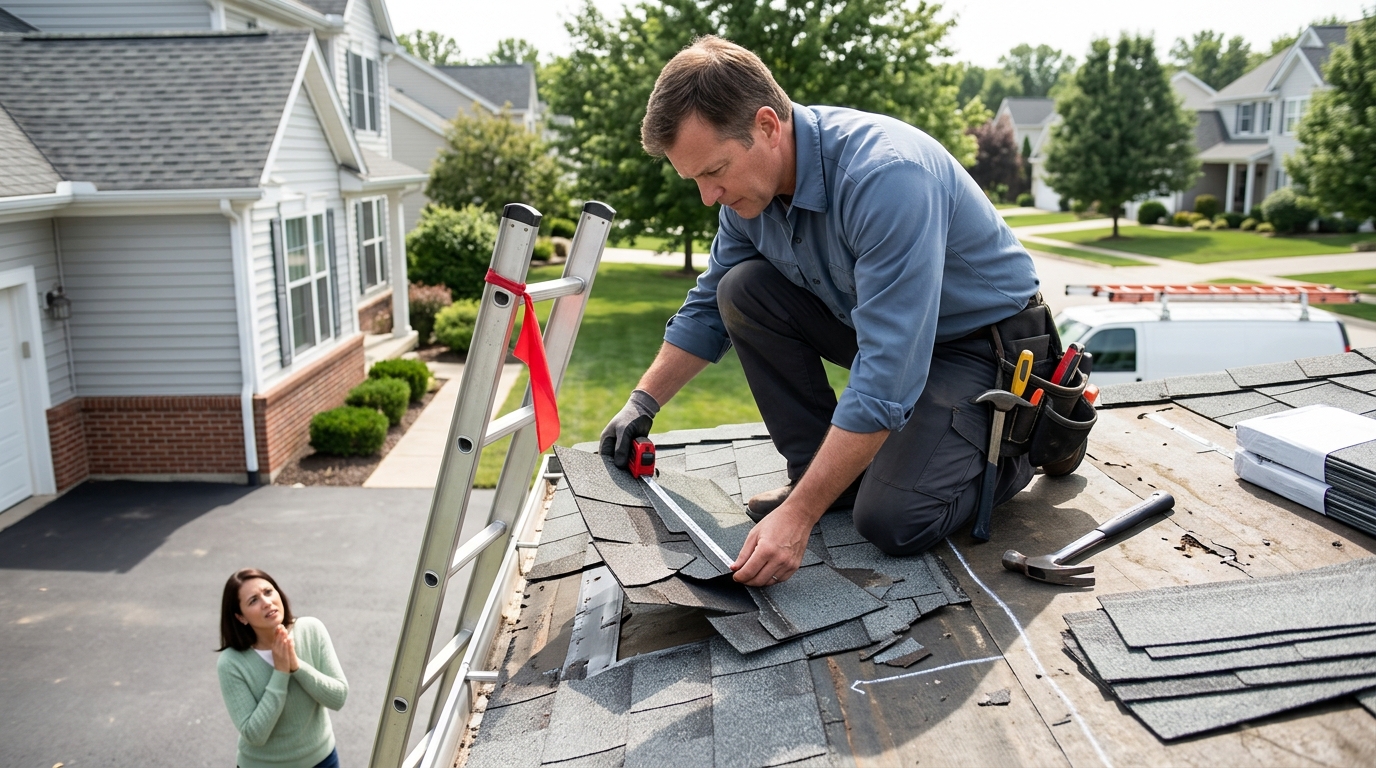
Consider a familiar scene unfolding across suburban neighborhoods every day. A roofing estimator finishes inspecting a damaged roof, climbs down the ladder, and sits in the front seat of his truck with an iPad or smartphone. The homeowner is standing in the garage, waiting for a price before leaving for work. Instead of opening a streamlined tool to quickly input square count, pitch, shingle tier, and flashing details, the estimator is forced to log into a bloated CRM platform.
The application lags as it syncs project management trees, multi-stage pipeline boards, automated marketing sequences, and complex inventory tracking modules. By the time the estimator navigates six drop-down menus just to create a basic estimate shell, ten minutes have passed. The homeowner checks their watch, promises to "look over whatever you email later," and walks inside. In that brief window of friction, the contractor's winning advantage vanishes. Lightweight mobile software like [Flash Quote Roofing](https://apps.apple.com/us/app/flash-quote-roofing/id6772379864) eliminates this overhead by giving field teams a lean, high-speed estimator designed for immediate execution rather than corporate administrative tracking.
---
The Hidden Cost of Software Bloat: Why Enterprise CRMs Drain Roofing Margins
To understand why enterprise software is breaking down in the field, one must examine how these platforms were built. Most dominant contractor CRMs were designed for back-office administrators and corporate executives who want detailed reporting on every lead source, stage transition, and historical communication log. Over time, software vendors added layer upon layer of features to justify charging recurring enterprise seat fees. The result is a massive system where 80 percent of the features are never touched by field estimators, yet 100 percent of those features contribute to interface clutter and system lag.
The $200/Seat Tax on Your Field Teams
When a roofing business owner signs a contract for a legacy enterprise CRM, the financial bleed begins immediately. Consider a real-world example: Apex Roofing, a mid-sized residential contractor operating in Ohio. With five field estimators, two office coordinators, and three sales representatives, Apex requires ten user seats. At $200 per seat, they spend $2,000 per month just on user licensing fees. Over a single calendar year, that amounts to $24,000 in software overhead—a direct tax on net profit margins before a single square of shingles is nailed down.
What are contractors actually paying for with these high per-seat fees? In most cases, they are paying for complex enterprise architecture:
- Multi-tier drip email automation platforms that go unused because estimators prefer direct text communication.
- Intricate subcontractor scheduling matrixes that field crews bypass in favor of phone calls and group chats.
- Granular financial accounting suites that duplicate what the company already does in QuickBooks or Xero.
- Rigid pipeline reporting dashboards that require hours of manual data entry to maintain.
For an independent estimator whose primary job is to inspect a roof, calculate costs, present a clean figure, and close the job, this administrative overhead is pure deadweight. The contractor pays top-dollar seat licenses for software that actively slows their field team down.
Feature Creep vs. On-Site Speed
Feature creep is the silent killer of field efficiency. Every extra form field, mandatory dropdown menu, and multi-step verification pop-up added to an app increases the time it takes an estimator to deliver a price. In the roofing trade, momentum is everything. When an estimator is standing on a driveway, the homeowner’s buying intent is at its absolute peak. They are experiencing the problem acutely, they have allocated time to discuss it, and they want a clear solution from a trusted professional.
When software forces an estimator to become a data entry clerk, the atmosphere changes from a helpful consultation to a sluggish corporate procedure. The estimator spends more time staring at a spinning loading wheel than talking to the customer. This operational friction creates a dangerous bottleneck between calculating roof metrics and delivering a formal quote, opening the door for competitors to step in.
---
The Speed-to-Lead Reality: Why Fast Estimates Win the Bid
In modern residential construction, speed-to-lead is no longer just an industry buzzword; it is the fundamental driver of sales conversion. Homeowners in 2026 do not want to wait three days for a PDF to arrive in their email inbox after a brief site visit. They expect transparent pricing, professional documentation, and a seamless payment method delivered in real time.
The 2026 Estimating Divide
| Bloated Enterprise CRM Method | Lightweight Mobile Quoting Method | | :--- | :--- | | Process: Site Measurement ➔ Office Data Entry ➔ 24-48 Hr Email Delay | Process: Site Measurement ➔ 5-Min On-Site PDF ➔ Instant Deposit Collected | | Result: Homeowner shops around, cooling lead, lowered conversion rate. | Result: Deal locked in on the driveway before competitors respond. |
The 25-Square Architectural Shingle Roof Benchmark
Consider two competing roofing contractors bidding on the exact same project: a standard 25-square architectural shingle tear-off and replacement with synthetic underlayment, ice and water shield in the valleys, and new ridge vent installation.
Contractor A relies on an enterprise CRM. The estimator arrives on-site, manually measures the roof facets, pitches, and overhangs, writes the numbers on a legal pad, and tells the homeowner: "I need to run these numbers through our office system. I’ll draft the full proposal tonight and email it over tomorrow morning." The estimator drives away. That evening, back at the office, he sits down to input the measurements, select line items, adjust material markups, and generate a multi-page corporate report. By the time the email is sent at 8:00 PM, 10 hours have passed.
Contractor B uses a dedicated mobile quoting tool. The estimator performs the exact same physical inspection and takes his roof measurements. Sitting in his truck, he opens a clean, mobile-first app on his phone. He punches in the 25-square metric, selects architectural shingles from his pre-saved material templates, adds valley lining and ridge venting with a single tap, and applies his standard labor rate. Within five minutes, the app calculates the complete scope of work, formats a crisp itemized proposal, and displays a finished price.
Contractor B walks back up the driveway, presents the polished PDF quote on his tablet, explains the scope, and asks: "If this looks good, we can lock in your installation date right now with a 20 percent deposit." The homeowner signs on the screen and taps their card. Contractor B leaves the job site with a signed contract and money in the bank before Contractor A has even started typing.
The Anatomy of a Lost Estimate
When an estimate is delayed, the probability of closing that deal drops exponentially with every passing hour. Why do contractors lose high-margin residential jobs when they take 24 to 48 hours to deliver a quote?
- Shopping Around: The delay gives the homeowner time to call three other local contractors, request competing bids, or ask neighbors for advice.
- Loss of Emotional Urgency: The immediate concern about a leaking roof or aging shingles fades as daily routines resume, leading to postponed decisions.
- Perceived Unprofessionalism: Homeowners associate slow administrative turnaround with slow project execution. If a contractor takes two days to produce a simple quote, the homeowner assumes the job itself will suffer from delays and communication breakdowns.
By stripping away back-office CRM complexity and prioritizing rapid on-site quote generation, field teams eliminate these sales vulnerabilities completely.
---
The Lightweight Alternative: Professional PDFs and Instant Stripe Deposits
Winning the bid on the driveway requires two key technical capabilities: the ability to generate a clean, authoritative PDF estimate instantly, and the ability to capture legally binding electronic signatures and financial deposits on the spot. Modern mobile quote software focuses obsessively on these core operations, removing every obstacle between the contractor's estimate and the customer's payment.
Generating Clean, Professional PDF Estimates Instantly
A lightweight application does not mean an unprofessional result. In fact, clean mobile quoting platforms produce far more readable, transparent documents than complex enterprise systems that dump pages of boilerplate legal disclaimers and confusing line items onto the client.
A professional mobile estimate should deliver clarity at a glance:
- Clear Branding: Company logo, license details, contact information, and insurance credentials prominently displayed at the top.
- Itemized Scope of Work: Specific line items outlining teardown, underlayment grade, shingle specifications, flashing updates, ventilation additions, and cleanup.
- Transparent Pricing Structure: Clear subtotal figures, tax calculations, deposit requirements, and total project balance without hidden administrative line items.
- Terms and Conditions: Concise, readable warranty disclosures and payment schedules formatted for easy reading on a mobile device or printed page.
When a homeowner receives a polished, easy-to-read PDF directly on their phone or via email within minutes of an inspection, it builds immediate confidence in the contractor’s technology and operational standards.
Locking in the Job with On-Site Signatures and Stripe Deposits
The ultimate modern advantage lies in unifying quote delivery with instant financial settlement. Historically, collecting a deposit required writing a physical check, running a paper credit card authorization form, or waiting for the client to mail a payment after reviewing an invoice. In 2026, those legacy friction points are unacceptable.
By leveraging a streamlined platform like [Flash Quote](https://flashquoteapps.com), roofers can attach native Stripe payment links directly inside the customer-facing PDF estimate. This integration transforms a static estimate into an interactive point-of-sale terminal:
- On-Site E-Signatures: The customer reviews the itemized breakdown on the estimator's phone or tablet, taps a button to accept the contract terms, and signs with their finger directly on the screen.
- Instant Credit Card or ACH Collection: Once signed, the PDF prompts the client for the required deposit amount. The customer can pay instantly using Apple Pay, credit card, or direct debit processed securely through Stripe.
- Automatic Confirmation: The estimator, the customer, and the roofing company's back office receive instant receipt notifications, confirming that the job is officially booked and funded.
Consider the case of Sarah, a homeowner dealing with an active valley leak during spring rains. She received three different visits from local roofers. The first two took her measurements and promised emailed quotes by the weekend. The third roofer used an on-site mobile tool, generated a clean PDF, and collected her deposit via Stripe right in her kitchen. By the time the first two quotes hit her inbox on Friday night, her new roof was already scheduled for installation. This seamless sequence locks in the client instantly, taking them off the market before competing roofers can even return home to open their laptops.
---
Ditching the Bloat to Protect Your Bottom Line in 2026
As the residential roofing market continues to evolve, successful contractors are realizing that software complexity is not a proxy for operational success. Paying thousands of dollars annually for $200+/seat enterprise CRMs that frustrate field crews and slow down customer interactions is a strategy that actively erodes profit margins.
The highest-performing contractors in 2026 are building lean, agile operations centered on speed, simplicity, and field execution. By pairing skilled craftspeople with lightweight, mobile-first estimating tools, roofing businesses can eliminate administrative drag, protect their overhead, and deliver an exceptional customer experience.
For insightful strategies on streamlining trade operations and maximizing field profitability, explore resource guides on our [contractor business growth blog](https://flashquoteapps.com/blog).
When you strip away the unnecessary software bloat, estimating ceases to be a tedious administrative burden and becomes what it was always meant to be: a swift, decisive move that secures the job, protects your margin, and leaves the competition behind on the drawing board.
"In modern roofing, victory doesn't go to the contractor with the most expensive software suite; it goes to the estimator who places a professional proposal and a payment link in the homeowner's hand before leaving the driveway."