The 14-Day Expiration Trap: How 2026 Material Shocks Are Killing Unsigned Roofing Estimates
The 14-Day Expiration Trap: How 2026 Material Shocks Are Killing Unsigned Roofing Estimates Imagine standing on a driveway in suburban Ohio, looking up at a wind-damaged architectural roof. You run through the numbers,...
The 14-Day Expiration Trap: How 2026 Material Shocks Are Killing Unsigned Roofing Estimates
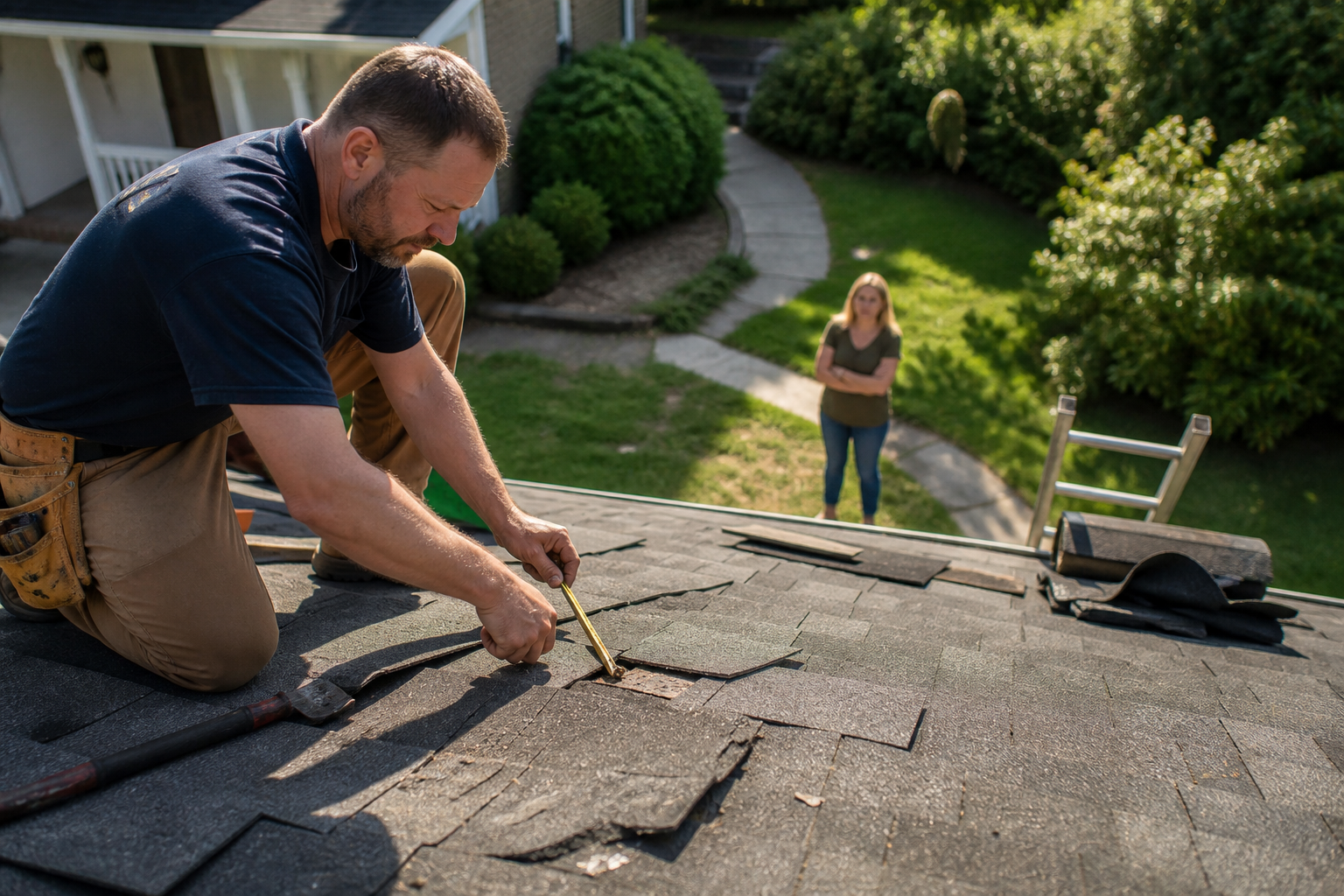
Imagine standing on a driveway in suburban Ohio, looking up at a wind-damaged architectural roof. You run through the numbers, shake hands with the homeowner, and promise to email a formal bid by Tuesday. In the old days of contracting, this two-day delay was standard operating procedure. In 2026, it is a financial death sentence. To survive the rapid material price fluctuations of 2026, roofing contractors must abandon delayed, multi-step bidding processes and adopt an instant, mobile-first workflow that secures e-signatures and deposits directly from the driveway. A quote generated in the morning can destroy your gross margin by the end of the month if supply chains shift and prices rise while the contract sits on a homeowner’s kitchen table. In an environment where manufacturer increases arrive without warning, speed is no longer just a competitive sales advantage. Speed is your primary tool for financial survival, contract enforcement, and profit preservation in a volatile home services market.
The 2026 Price Paradox and the Volatility of Unsigned Bids
The residential roofing industry has entered a challenging economic cycle where bid turnaround time dictates project profitability. For decades, contractors operated on comfortable 30-day price guarantees. You met with a homeowner, inspected the roof, drove back to the office, calculated square counts, factored in waste percentages, emailed a proposal forty-eight hours later, and gave the client a month to decide.
That operating model is officially dead. In 2026, holding a quote open for two weeks is a gamble where the contractor takes all the risk and gets none of the upside.
Manufacturers across the building materials sector have accelerated their pricing adjustment schedules. Major asphalt shingle producers like GAF, Carlisle, and Elevate have introduced repeated price hikes across residential product lines in response to raw bitumen costs, freight surcharges, and factory labor adjustments. Meanwhile, specialty roofing materials face even harsher inflation: standing seam architectural metal prices have spiked by more than 25% since early 2026 due to global mill shifts and domestic aluminum tariffs.
Let's look at a real-world example. Marcus, who runs Premier Roofing Solutions in Atlanta, recently bid a 40-square residential re-roof. He calculated standard architectural shingles, synthetic underlayment, ice and water shield, ridge cap, and drip edge at $210 per square. His total material outlay was $8,400. Adding labor, overhead, and his standard 30% gross profit margin, Marcus quoted the homeowner $15,000.
Marcus emailed the proposal on a Thursday. The homeowner, distracted by a family vacation and work commitments, let the estimate sit on their kitchen counter for twelve days. On day eight, Marcus's local distributor implemented an unannounced 9% manufacturer price adjustment on all asphalt products. When the homeowner finally signed the contract on day fourteen, Marcus's material costs had jumped by $756. Because he had committed to a fixed price without securing an immediate contract or deposit, that entire cost inflation came directly out of his pocket, slashing his projected net profit by over 16%.
Consider another scenario in Denver, Colorado. Sarah, owner of Mile High Roofing, bid on a 45-square laminated shingle job during the peak of hail season. She left a paper estimate with the client, promising to honor the price for 30 days. Within ten days, local distributor surcharges on OSB and synthetic underlayment spiked by 15% due to regional supply constraints. When the client finally called to schedule the job three weeks later, Sarah was forced to choose between absorbing a $980 margin hit or risking a negative review by telling the homeowner the price had gone up. She absorbed the cost, a decision that directly impacted her ability to meet her weekly overhead.
| The 14-Day Margin Erosion Timeline | | | :--- | :--- | | Day 0: Estimate Delivered | $12,000 Total Quote ($3,600 Target Gross Margin) | | Day 5: Shingle Manufacturer Hike | Manufacturer announces +8% price increase | | Day 9: Supplier Surcharges | Underlayment & metal drip edge supplier surcharges (+12%) | | Day 14: Homeowner Signs Original Quote | Actual material cost increase: $1,150 | | Realized Financial Outcome | Net Gross Margin Realized: $2,450 (A 32% profit loss) |
When margin compression happens across dozens of jobs per quarter, custom installers and regional roofing businesses watch their annual net profit vanish into supply chain friction. The root problem is not the price increase itself; it is the delay between inspection and execution. Running an effective company requires adopting modern contractor quote software that moves the entire scope-to-binding transaction onto the jobsite before the truck leaves the curb.
Driveway Closings: Shifting to a Mobile-First Workflow
Waiting until you return to an office desk to write an estimate invites friction, second-guessing, and competitor intrusion. Homeowners live in an on-demand economy. When they request an estimate for a leaking valley or an aging architectural roof, their engagement and urgency are highest while you are standing on their property walking the perimeter.
Once you get in your truck and drive away, their attention splits across daily tasks, competing bids, and social media distractions. Every hour that passes between your initial walk and proposal delivery lowers your conversion rate and increases the likelihood that a price hike will eat into your margin before materials can be ordered from the distributor.
Consider the operational contrast between traditional bidding and the modern driveway close:
- Legacy Multi-Step Bidding: On-Site Inspection - Drive to Office - Manual Calculation - Email PDF (24-48 Hours) - Follow-Up Calls - Delayed Signature - Material Price Hike Hit.
- Instant Driveway Workflow: On-Site Walkthrough - Mobile App Quote Generation - In-Person Review on Phone/Tablet - Instant E-Sign & Stripe Deposit - Materials Locked In.
Shifting to a mobile-first workflow solves this bottleneck. Instead of treating the bid as an administrative chore for the evening, high-converting estimators calculate line items, pitch material options, and generate a fully detailed proposal directly from their mobile device while sitting in the customer’s driveway.
Modern field technology does not need to be bloated or complex to be effective. You do not need bloated enterprise management software with deep learning curves just to deliver a crisp, professional proposal on the spot. By utilizing [Flash Quote Roofing](https://apps.apple.com/us/app/flash-quote-roofing/id6772379864), sales reps and independent contractors can configure job details, select shingle lines, account for pitch adjustments, and calculate waste factors in seconds. Using an intuitive roofing estimate app converts what used to be a two-day administrative delay into a five-minute conversation at the front door. By integrating this speed into your daily operations, you can easily direct clients to your professional presence at [Flash Quote](https://flashquoteapps.com) to build long-term brand authority.
A streamlined driveway workflow alters the sales dynamic in three distinct ways:
- Momentum Capitalization: You review scope, deck repairs, pipe boot replacements, and ventilation upgrades with the homeowner while the physical roof issues are visible right above their heads.
- Scope Transparency: Line items for tear-off, dump fees, ice-and-water barrier protection, and synthetic underlayment are laid out clearly on screen, eliminating confusion before signing.
- Immediate Price Certainty: Presenting a firm, professional proposal instantly removes the client's temptation to shop around while waiting days for your email to arrive.
When you walk off the property with a signed contract and a deposit, you eliminate the 14-day decision lag entirely. That speed allows you to send the bill of materials to your local distributor that afternoon, locking in current wholesale prices before the next price adjustment hits your bottom line.
Securing the Margin with E-Signatures and Stripe Deposits
A quote is merely an opinion until consideration changes hands and a binding signature is secured. Many contractors mistake a verbal agreement or an emailed "looks good" for a locked contract. In a volatile material market, an unbacked quote exposes your business to supply chain costs without securing commitment.
To insulate your margins, your proposal tool must accomplish two non-negotiable tasks before you leave the driveway: capture a legally binding signature and secure an immediate financial deposit.
Let's look at how the instant lock-in mechanism functions:
- Completed Proposal: Generated on-site via mobile app.
- Digital E-Signature: Captures legal commitment instantly.
- Stripe Card / ACH Deposit: Secures financial lock-in.
- Supplier Purchase Order Placed: Material costs frozen at current wholesale rates.
Implementing dedicated contractor quote software turns a static agreement into an active point-of-sale tool. When a customer receives their estimate via text or on-screen review, they should be able to accept terms, sign with a finger, and pay the required deposit via credit card, Apple Pay, or direct bank transfer—all within the same intuitive interface. Flash Quote can attach payment collection to the customer-facing PDF, allowing homeowners to pay instantly and securely.
Integrating seamless e-signature proposals protects your operations across multiple vectors:
- Legal Enforceability: Digital signatures with timestamp verification establish clear contract dates, preventing disputes over quote expiration windows or revised pricing terms.
- Capital Efficiency: Collecting an upfront deposit of 20% to 50% gives you the liquid capital necessary to purchase roofing materials immediately, securing current supply house pricing before announced hikes take effect.
- Buyer Commitment: A financial transaction shifts the homeowner's psychology from "considering options" to "project scheduled," drastically reducing job cancellations and dropouts.
Take the case of Dave, owner of Ironclad Roofing in Georgia. Dave specializes in standing seam architectural metal accents. Metal coil suppliers typically give incredibly short pricing guarantees—sometimes as brief as 48 hours—on specialized colors and copper flashings. Dave used to leave jobsites with a verbal agreement, waiting for the homeowner to mail a physical check for the deposit. By the time the check arrived and cleared five days later, the supplier had passed down a 12% metal surcharge. By switching to an instant payment workflow, Dave now collects deposits on-site. He can place the supplier purchase order within ten minutes of closing the deal, freezing his material costs and protecting his 35% margin. In 2026, operational speed directly controls your gross margins.
From Proposal to PDF Invoice: Streamlining the Back Office
Securing the deposit and locking in materials is only the first half of a healthy financial workflow. Once the tear-off crew finishes, decking repairs are documented, and ridge vents are secured, the speed with which you convert that completed proposal into a final invoice dictates your cash flow cycles.
Too many roofing businesses rely on slow, disconnected accounting systems to handle post-job billing. An estimator builds a proposal in one platform, the field manager tracks change orders on paper, and an office administrator manually builds a new invoice in desktop software days after the job completes. This disconnected workflow introduces data entry errors, forgets extra charges for damaged plywood replacement, and delays final payment collection.
Consider the difference between a disconnected office workflow and an integrated mobile invoicing process:
- Disconnected Office Workflow: Field Estimate - Paper Change Orders - Office Re-Entry - Delayed Invoice Creation - Mailed/Emailed Bill - 30-Day Payment Wait.
- Integrated Mobile Invoicing: Mobile Proposal - Digital Change Order Capture - One-Tap PDF Invoice Generation - Instant Stripe Final Payment - Same-Day Bank Settlement.
A streamlined workflow requires a unified system where a signed proposal converts directly into a clean final invoice with a single tap. Utilizing a dedicated PDF invoice app, which you can read more about on our [blog](https://flashquoteapps.com/blog), ensures that the original job details, itemized change orders, and applied deposits carry over without manual re-entry.
When decking repairs reveal rotten CDX plywood during tear-off—a common surprise on older homes—your crew leader can document the additional sheets, add them to the job record, and update the invoice total immediately. When the final walkthrough is complete, the homeowner receives an itemized PDF invoice directly on their phone. They can pay the remaining balance using credit card or bank transfer before your project manager leaves the job site.
| Roofing Contractor Financial Statement | | | :--- | :--- | | Initial Signed Proposal (30 Squares Architectural) | $11,250.00 | | Initial 30% Deposit Received (Stripe On-Site) | -$3,375.00 | | Approved Change Order (3 Sheets Plywood Decking) | +$270.00 | | Final Balance Due at Completion | $8,145.00 | | Status | Paid via On-Site Stripe Transaction |
Eliminating administrative lag between job completion and final payment collection keeps your bank account full, reduces credit card processing delays, and provides the liquidity needed to take on larger projects. Simple, direct tools cut administrative overhead while delivering a modern experience for clients who expect fast, clear communication from home service professionals.
The Cost of Delay: Margin Control in Volatile Markets
In the 2026 residential roofing industry, profitability is defined by your reaction time. You cannot control when raw material costs rise, how manufacturers adjust shingle prices, or when global tariffs impact metal stock. However, you have complete control over how quickly your business turns an initial customer conversation into a signed contract and a secured deposit.
Continuing to run an outdated, multi-step bidding process leaves your margins vulnerable to market volatility. Every day a quote sits unsigned in an inbox is a day where supply-side shifts can erode your net profit. Contractors who adapt by running lightweight, mobile-first estimating processes build resilient businesses that protect margins regardless of market turbulence.
By adopting tools that generate instant proposals, capture e-signatures, collect deposits, and issue final invoices from a phone, you secure your profit margins before the market has a chance to change them. As the saying goes among high-performing modern contractors: "The most expensive leak in a roofing business isn't water dripping through a ceiling—it's profit escaping through an unsigned estimate."