Stop Sending “We’ll Email You Later” Estimates After a Plumbing Emergency
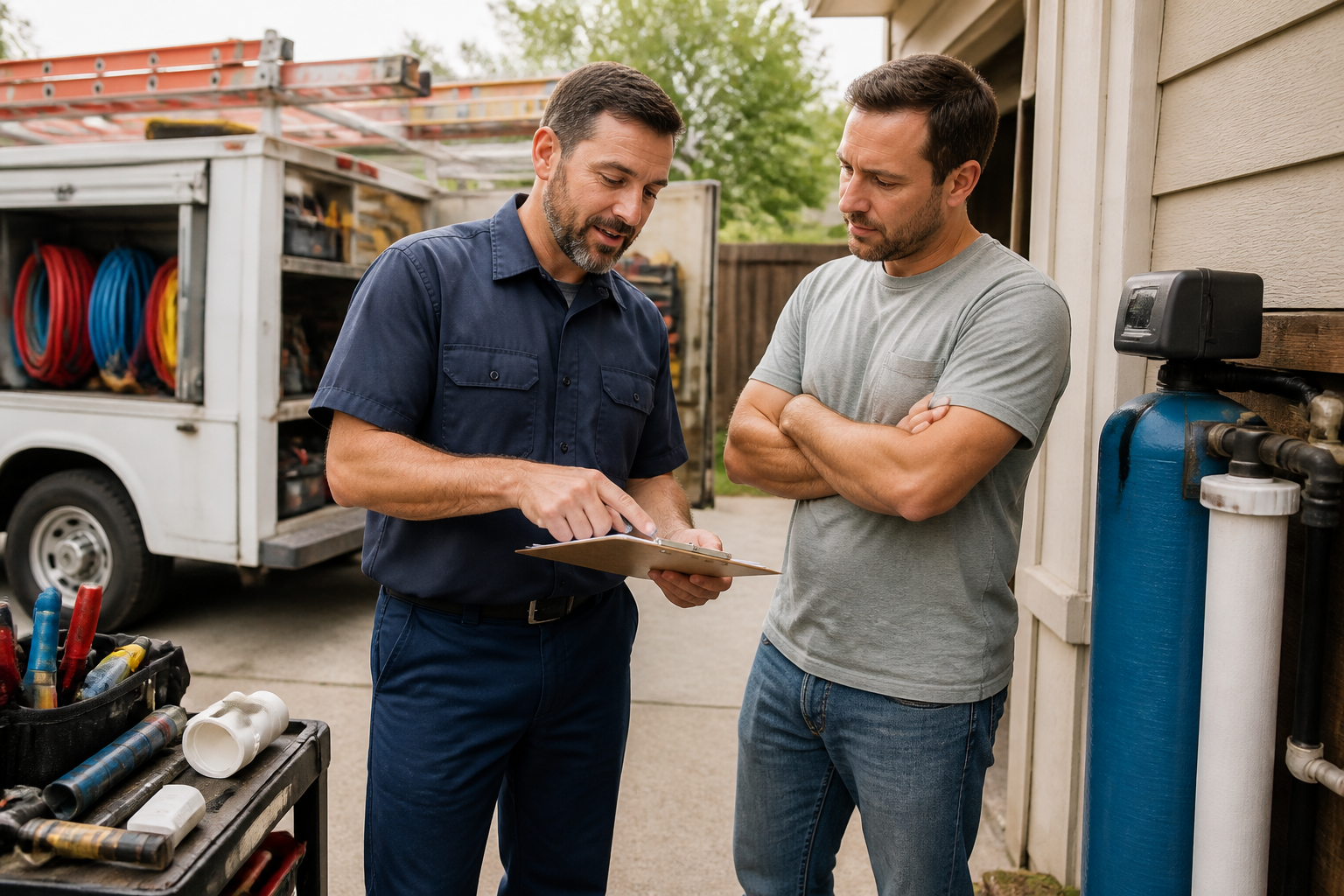
Stop Sending “We’ll Email You Later” Estimates After a Plumbing Emergency When water is on the floor, hot water is gone, or a sewer line has failed, homeowners are not shopping for plumbing in the abstract. They are...
Stop Sending “We’ll Email You Later” Estimates After a Plumbing Emergency
When water is on the floor, hot water is gone, or a sewer line has failed, homeowners are not shopping for plumbing in the abstract. They are trying to stop a bad day from getting worse. That is why plumbing companies lose winnable emergency jobs when technicians diagnose the problem correctly but leave the customer waiting for a clear proposal. The first company to turn a problem into a same-day, understandable quote often wins—not by pressure, but by clarity.
A strong emergency quote does four things fast: it explains the scope, presents repair and replacement options, captures e-signature approval, and makes payment easy. In a plumbing emergency, that sequence turns panic into a decision.
The Emergency Is Urgent. The Decision Still Needs Structure.
A burst pipe, failed water heater, or active leak creates urgency. But urgency alone does not close a job. It creates questions.
Is the price for the repair only, or for a full replacement? Does it include cleanup, disposal, permits, or testing? Is the technician recommending the smallest fix because it is best—or because it is fastest? When customers do not see those answers in writing, they hesitate. And hesitation is where jobs get lost.
That gap between diagnosis and documentation is expensive. A homeowner with a flooded cabinet is not sitting still. They may be calling a second plumber, texting a neighbor, searching for replacement costs, or waiting for the next company that can explain the work more clearly.
That is why [Flash Quote Plumbing](https://apps.apple.com/us/app/flash-quote-plumbing/id6775365155) matters in the field. It helps plumbers build a professional, customer-ready quote while they are still on site, while the facts are fresh and the urgency is still real. The point is not speed for its own sake. The point is to keep uncertainty from taking over the sale.
A Good Proposal Makes the Problem Understandable
Emergency plumbing quotes often fail because they read like a quick number scribbled on the back of a clipboard. A customer facing an urgent repair needs more than that. They need a document that translates technical findings into a clear decision.
Start with the finding. Say what failed, where it failed, and why it matters.
Examples a homeowner can immediately understand include:
- “Active leak at kitchen sink shutoff valve; corrosion prevents reliable isolation.”
- “Water heater is not producing hot water; diagnostic findings indicate replacement is the recommended solution.”
- “Camera inspection shows a damaged sewer section requiring excavation and pipe replacement.”
That level of specificity builds confidence. It shows the plumber saw the problem, understood the conditions, and made a recommendation based on the site—not a guess.
Photos make the quote stronger, too. A picture of a corroded valve, a wet cabinet base, or a sewer camera image gives the customer proof, not just a pitch. In emergency plumbing, visuals do not sell fear. They reduce doubt.
Then define the work. What will be repaired? What materials are included? What testing will be completed before the technician leaves? What conditions could change the scope? Customers do not need a lecture. They need a clean, readable record of what they are approving.
A [plumbing estimating workflow](https://flashquoteapps.com/plumbing) is valuable for that reason. It turns a diagnosis into a decision document instead of a promise to send details later.
Repair Versus Replace Should Be a Real Choice
One of the biggest mistakes in emergency quoting is presenting every job as if it has only one path forward. It rarely does.
A failing water heater, for example, may be repairable. It may also be near the end of its useful life. The proposal should make those options comparable instead of burying them in a wall of text.
A strong emergency quote might show:
- Repair the failed component and restore service if conditions allow.
- Replace the affected unit with a standard model, including removal and disposal.
- Upgrade to a different system where the site and customer needs justify it.
Each option should have its own scope, price, and expected outcome. The customer should be able to compare them quickly without guessing what the differences mean.
That matters in the field because the right choice is often a mix of budget, urgency, and long-term value. A homeowner with no hot water and kids getting ready for school may choose the repair. A homeowner who has already patched the same heater twice may choose replacement. A same-day quote lets them decide on purpose instead of under pressure.
Three Jobs Where Same-Day Quotes Save the Sale
The Under-Sink Leak That Is Already Spreading
A plumber finds a leaking shutoff valve under a kitchen sink. The cabinet base is wet. The customer is anxious because the leak is active and the damage may be getting worse by the minute.
A good quote identifies the failed valve, notes the supply-line condition, and spells out exactly what will be replaced and tested. If there is a risk of related corrosion or hidden damage once the valve is removed, that should be stated plainly.
This is where a same-day quote earns its keep. The homeowner sees the problem, understands the repair, approves it, and gets a copy of what was agreed. No one has to wait for an email that arrives after the urgency has softened and another company has been called.
The Water Heater That Has Stopped Producing Hot Water
Water heater calls are where clarity pays off. The customer is usually trying to decide between a quick fix and a larger investment. That decision is hard enough without a vague estimate.
The quote should separate the options cleanly: one line for the repair and one for replacement. If a tankless system is appropriate, it should be presented as a distinct option, not a surprise upsell. Each choice should show what is included: labor, parts, removal of the old unit, startup, testing, and disposal where applicable.
That comparison gives the customer something real to work with. They are not being sold a mystery. They are choosing between documented paths.
The Sewer Line Break That Needs Excavation
Sewer-line work can send a homeowner straight into sticker shock. The numbers are bigger, the work is harder to picture, and the risks feel higher.
A same-day quote makes the job less intimidating by breaking it into stages:
- Locate and access the damaged area.
- Excavate the section that needs repair.
- Remove and replace the failed pipe.
- Test the line after repair.
- Backfill and explain any surface restoration that is included or excluded.
This structure matters. It shows the homeowner that the company has a plan. It also makes clear what is confirmed and what might change if hidden damage is discovered. A customer facing a major sewer repair does not need theatrical language. They need to know what will happen next.
Approval Should Happen in the Same Document as the Quote
Once the customer chooses an option, the next step should be simple: sign and proceed.
E-signature approval makes the agreement clear. It creates a record that the customer reviewed the scope, understood the price, and authorized the work. That protects the plumbing company from later confusion and protects the homeowner from disputes about what was included.
The key is tone. E-signature should not feel like a hard close. It should feel like part of the service.
The technician can explain the issue, answer questions, and then invite the customer to approve the quote when ready. That keeps the process professional and calm, even when the work is urgent.
For emergency plumbing, this is a practical advantage. If a leak has to be isolated, a heater has to be replaced, or a sewer repair needs immediate mobilization, written approval keeps the job tied to the documented scope instead of a verbal memory.
Payment Friction Can Stall an Approved Job
Even after a quote is signed, payment can create another delay. If the customer has to wait for a separate invoice, call the office, or dig through email for payment instructions, momentum fades.
That is why it helps when a customer-facing quote PDF includes a quick Stripe payment option. The customer reviews the quote, approves it, and pays without jumping through extra administrative hoops. The quote, authorization, and payment step stay connected.
That matters on emergency jobs where materials need to be ordered, a crew needs to be dispatched, or the customer wants the issue handled before the technician leaves the driveway. It also makes the experience feel cleaner: one document, one decision, one path forward.
For owners and dispatch teams looking to tighten their quoting process, the [Flash Quote Blog](https://flashquoteapps.com/blog) offers more practical guidance on turning field work into faster, clearer customer decisions.
Fast Does Not Have to Feel Pushy
Some plumbers hesitate to present same-day quotes because they do not want to seem aggressive. That instinct is understandable. Nobody wants to pressure a family during a stressful repair.
But a clear proposal is not pressure. Confusion is pressure.
Pressure sounds like this: “You need to decide right now, but I can’t really explain the options.”
Clarity sounds like this: “Here is what we found, what it means, what the options are, and what each one includes.”
That distinction matters.
Customers do not resent speed when speed comes with transparency. They resent being left to make a serious financial decision from memory. A written, on-site quote gives them the information they need to decide without feeling cornered.
It also strengthens the plumbing company’s reputation. Dispatchers can tell callers that technicians provide documented options. Field techs spend less time chasing approvals after the visit. Owners get a cleaner record of what was proposed and what was accepted.
Most of all, customers feel respected. In a plumbing emergency, that matters more than most companies realize.
The Clearest Quote Is Often the First Real Repair
A plumbing emergency is not the time to separate diagnosis from documentation. If the technician has identified the problem, the customer deserves to see the solution in writing while the urgency is still active and the facts are still fresh.
The best field workflow moves in one direction: from finding, to scope, to options, to approval, to payment. It removes the dead space where winnable jobs go stale.
Same-day quoting does not rush the customer. It gives them a clear path through a difficult moment.
In an emergency, the quote that arrives with the answer is often the quote that wins the job.