Roofing Inspection to Estimate: How to Turn Roof Findings Into a Clear Quote
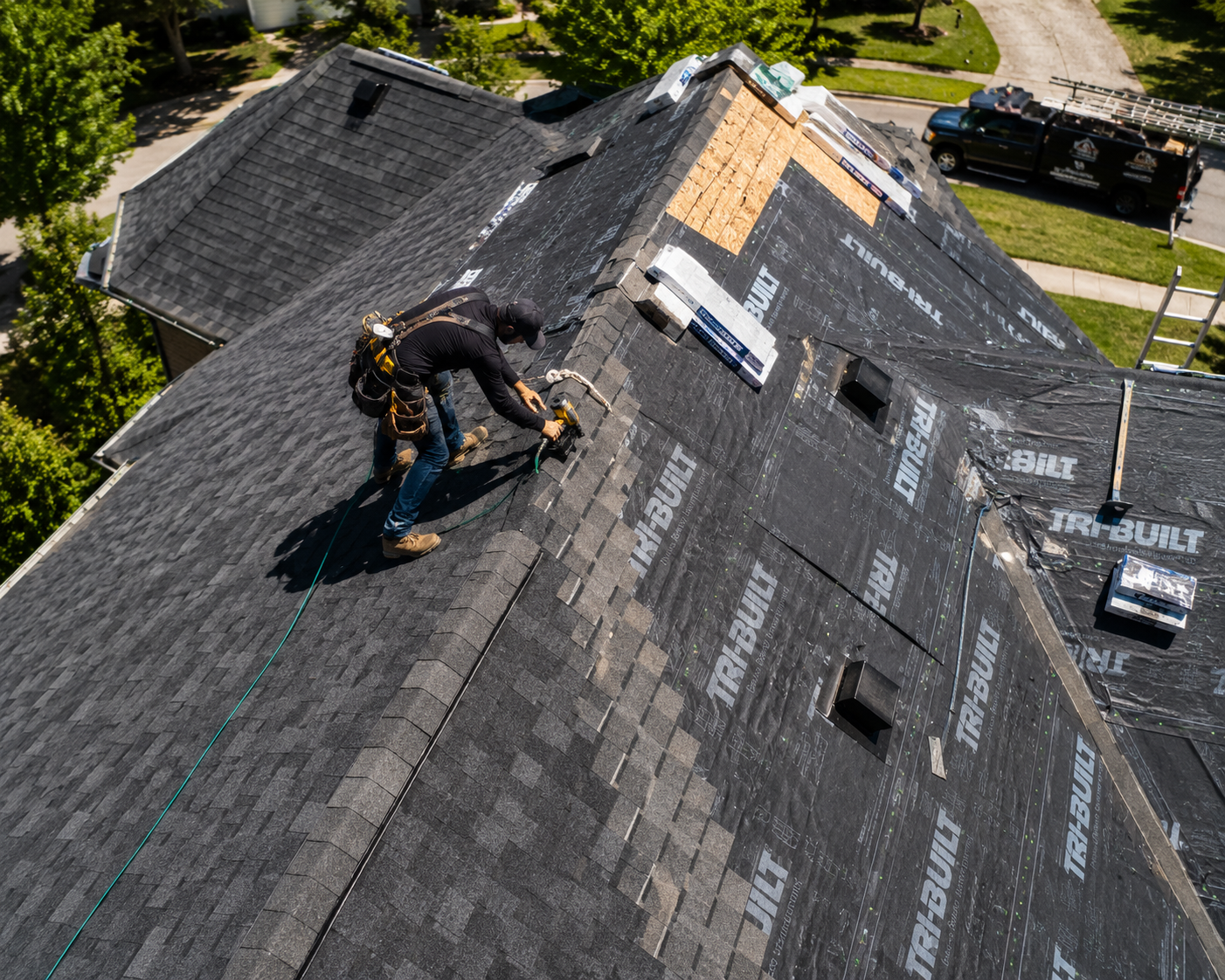
A roofing estimate is only as strong as the inspection behind it. Better photos, notes, measurements, and option structure help homeowners understand the quote.
A roofing quote should not start with a price. It should start with a clean inspection process that turns roof conditions into a clear recommendation. Homeowners rarely understand decking condition, flashing details, ventilation balance, pipe boot age, nail pops, ice and water coverage, or chimney transitions. They need the contractor to translate what was found into scope, options, price, and next steps.
When the inspection is rushed, the estimate usually becomes vague. A vague estimate creates price resistance because the homeowner cannot see why the job costs what it costs. A better workflow captures the right details during the visit so the proposal feels specific instead of generic.
Start With the Roof Areas That Create Risk
The inspection should focus on the areas most likely to affect price and callbacks: roof penetrations, valleys, skylights, chimneys, sidewall flashing, low-slope sections, ventilation, gutters, decking condition, and access. These are the items that often separate a cheap bid from a complete roofing estimate.
Document each area with photos and plain notes. Instead of writing bad flashing, write step flashing is exposed and counterflashing is failing on the left chimney face. That note gives the sales conversation, production team, and homeowner a clearer basis for the recommended work.
Take Photos for the Proposal, Not Just the File
Roof photos are not only for internal documentation. They are sales tools when used correctly. A homeowner may not climb the roof, but they can understand a cracked pipe boot, rusted flashing, missing ridge cap, lifted shingle, soft decking, or clogged valley when the photo is paired with a simple explanation.
Do not dump twenty photos into the estimate without context. Choose the photos that explain the recommendation. Label them with what the homeowner is seeing and why it matters. This keeps the proposal from feeling like a file transfer and makes it easier for the homeowner to approve the right scope.
Separate Must-Do Scope From Upgrade Scope
A roofing estimate should clearly separate required work from upgrades. Required work may include tear-off, underlayment, flashing replacement, ventilation correction, pipe boots, drip edge, cleanup, and warranty details. Upgrade scope may include premium shingles, enhanced ventilation, stronger warranties, gutter protection, or upgraded accessories.
This separation helps the homeowner understand the baseline price before considering higher-value options. It also protects the contractor from discount pressure. If a customer wants a lower number, the contractor can adjust upgrade scope instead of randomly cutting margin from the full system.
Flash Quote Roofing helps roofers turn inspection notes, photos, and scope options into a clean proposal before the homeowner forgets the details.
Call Out Unknown Decking Clearly
Decking is one of the most common roofing estimate problems because it cannot always be fully confirmed until tear-off. The quote should explain how decking will be handled, what is included, what is priced separately, and how approval will work if replacement is needed.
A clean proposal might say that visible damaged decking is included in the base scope, while hidden damaged decking discovered after tear-off will be replaced at a stated rate with photo documentation. This prevents a fight during production and helps the homeowner understand why change orders can happen.
Make Ventilation Part of the Estimate
Ventilation is easy to overlook in a price-focused roofing bid, but it affects comfort, moisture, shingle performance, and warranty expectations. Inspect intake and exhaust, not just the shingle surface. If soffits are blocked, ridge vent is missing, box vents conflict with ridge vent, or bath fans terminate into the attic, note it in the proposal.
Homeowners do not need a technical lecture. They need to understand that a roof system has to breathe correctly. A short explanation of intake, exhaust, and warranty impact can make a higher-quality estimate easier to accept.
Use Measurements to Support Trust
Measurements should be consistent and explainable. Whether the company uses satellite measurement, drone reports, hand measurements, or a combination, the proposal should reflect roof size, pitch difficulty, waste, accessories, and labor assumptions. When customers see a single total with no scope context, they are more likely to shop.
You do not have to expose every internal calculation, but the estimate should show enough detail to prove the number was built from the roof. Squares, steep charges, tear-off layers, disposal, and access notes all help the homeowner see that the quote is not arbitrary.
Write the Recommendation in Homeowner Language
The best inspection notes are useless if they turn into trade shorthand in the proposal. Replace vague phrases with homeowner language. Instead of install IWS, say install ice and water protection at vulnerable areas such as valleys, eaves, and penetrations where water backup risk is higher. Instead of replace boots, say replace aging pipe flashings that commonly leak as rubber breaks down.
Plain language does not make the contractor less professional. It makes the estimate easier to approve. The customer should understand the problem, the work, the result, and the next step without needing to decode roofing terminology.
Build Options From the Inspection
Good-better-best options should come from actual inspection findings. If ventilation is weak, the better option might include ventilation correction. If the homeowner cares about curb appeal, the best option might include a premium shingle and enhanced ridge detail. If budget is tight, the good option should still solve the roof problem without unsafe shortcuts.
Options should not feel like random packages. They should answer real homeowner decisions: how long do you want this roof to last, how much warranty do you want, how important is appearance, and do you want to handle related problems now or later.
Protect Production With Better Notes
The roofing estimate is also a production handoff. Crews need to know about landscaping, access, pets, parking, satellite dishes, solar, fragile gutters, skylights, steep sections, and cleanup expectations. If the proposal promises something but the crew does not see it, the job can lose trust quickly.
Inspection notes should follow the job from sale to production. That reduces callbacks, missed scope, and awkward conversations with the homeowner. A clean estimate is not only a sales document. It is an operating document.
Explain Timing, Weather, and Site Protection
Roofing customers also need to understand what happens after approval. The estimate should explain the expected scheduling window, weather dependency, material delivery, driveway needs, property protection, tear-off sequence, cleanup process, and final walkthrough. Those details are easy for contractors to take for granted, but they reduce anxiety for homeowners.
This is especially important during storm season or busy months when crews and materials are moving quickly. A homeowner who knows that scheduling can shift because of rain is less likely to feel ignored when the start date changes. A homeowner who understands driveway and landscaping protection is less likely to be surprised on installation day.
Use Follow-Up to Reinforce the Inspection
If the homeowner does not approve immediately, follow-up should reference the inspection findings. A weak follow-up says checking in on the quote. A better follow-up says the pipe boot and valley flashing issues we photographed are the items most likely to leak first, and I wanted to see if you had questions about the repair or replacement options.
That kind of follow-up is useful because it brings the customer back to the reason for the estimate. It also helps separate your roofing company from a cheaper bid that may not have explained the roof condition at all.
Review the Estimate Before It Goes Out
Before sending the roofing proposal, take two minutes to review whether the inspection findings, photos, scope, price, warranty, and options all tell the same story. If the photos show flashing failure but the scope does not mention flashing, the customer will notice the gap. If the proposal includes ventilation work but the inspection notes do not explain why, the upgrade may look unnecessary.
This final review is especially valuable for growing roofing companies with more than one estimator. It creates consistency across the sales team and helps owners see whether estimates are being written from real roof conditions or copied from a generic template.
Roofing Inspection to Estimate Checklist
- Photograph roof penetrations, valleys, flashing, ventilation, and damaged areas.
- Write plain notes that explain what the homeowner is seeing.
- Separate required scope from optional upgrades.
- State how hidden decking will be handled.
- Use measurements and access notes to support the price.
- Build options from actual inspection findings.
- Include production notes that protect the crew and customer experience.
- Send the proposal quickly while the inspection is fresh.
Related Flash Quote Reading
- How to Write a Roofing Estimate That Wins Jobs in 2026 - /blog/how-to-write-a-roofing-estimate-that-wins-jobs
- Roofing Pricing Strategy: How to Protect Margin Without Losing Good Jobs - /blog/roofing-pricing-strategy-protect-margin-without-losing-jobs
- Roofing Change Orders: How to Protect Margin on Decking Repairs, Supplements, and Scope Changes - /blog/roofing-change-orders-protect-margin-decking-repairs-supplements
FAQ
What should a roofing inspection include before estimating?
It should include roof condition, flashing, penetrations, ventilation, decking clues, measurements, access, cleanup concerns, photos, and any scope risks that could affect price or production.
How should roofers explain hidden decking costs?
State what is included, what is unknown until tear-off, the rate for additional decking, and how photo approval or documentation will work.
Why do inspection photos help close roofing jobs?
Photos make invisible roof problems easier for homeowners to understand. They support the recommendation and reduce the chance that the quote looks like just another number.
Flash Quote Roofing helps contractors turn roof inspections into professional estimates with photos, scope, options, and approval steps built for the field.