Plumbing Flat Rate Pricing: How to Build a Pricebook That Works in the Field
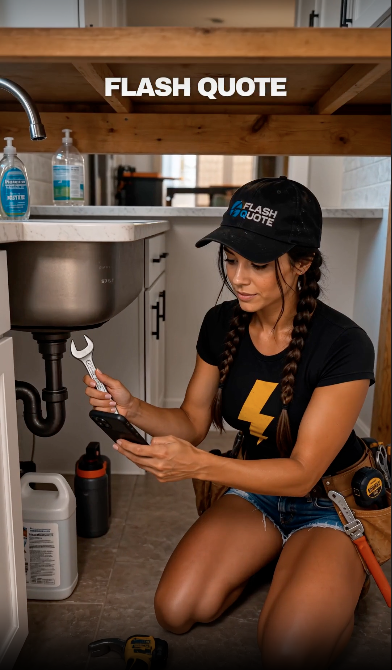
A plumbing flat rate pricebook should make quotes faster, protect margin, and help customers understand the work without turning every job into a custom calculation.
Plumbing flat rate pricing works when it is simple enough for the field and accurate enough for the business. If the pricebook is too thin, technicians still guess. If it is too complicated, they stop using it. The goal is not to create a perfect catalog of every possible plumbing job. The goal is to make the most common estimates fast, consistent, and profitable.
A good plumbing estimate should help the customer understand the problem, the repair, the price, and the next step. It should also protect the contractor from undercharging for travel, diagnosis, parts, labor, disposal, warranty risk, and hidden complications. Flat rate pricing gives the homeowner price clarity and gives the company a repeatable quoting process.
Start With the 25 Jobs You Quote Most Often
Do not start by trying to price every plumbing task. Start with the work your company sees every week. Most residential plumbing companies can build a useful first pricebook around service calls, drain cleaning, faucet replacement, toilet repair, toilet replacement, garbage disposals, angle stops, supply lines, water heaters, hose bibs, leak repairs, shutoff valves, pressure reducing valves, and basic fixture installs.
- Diagnostic or service call
- Toilet repair and toilet replacement
- Faucet repair and faucet installation
- Water heater repair and replacement
- Drain cleaning and camera inspection
- Garbage disposal replacement
- Leak repair and shutoff valve work
Once the first 25 jobs are accurate, add more. A smaller pricebook that technicians trust is better than a giant list nobody uses.
Build Each Price From Real Inputs
A flat rate is not a random number. It should include average labor time, material cost, drive time, overhead, warranty risk, and target profit. For example, a faucet installation may look simple, but the final price needs to account for removing the old fixture, installing the new one, connecting supplies, testing for leaks, cleaning up, and handling small surprises under the sink.
If the company has job history, use it. Look at how long common jobs actually take, which parts are used most often, and where callbacks happen. If there is no history, start with conservative assumptions and review after the first month.
Create Levels for Simple, Standard, and Difficult Jobs
One reason flat rate plumbing pricing fails is that one price is forced onto every situation. A toilet replacement in a clean bathroom is not the same as a toilet replacement with a damaged flange, corroded bolts, uneven floor, or limited access. Build levels so technicians can choose the right scope without inventing a new price.
- Simple: clean access, standard parts, no complications.
- Standard: normal replacement with expected parts and testing.
- Difficult: access issues, corrosion, extra repair steps, or additional risk.
Flash Quote Plumbing helps contractors save common plumbing jobs as presets, making flat rate quotes faster while keeping the proposal professional.
Explain What Is Included and What Is Not
Customers are more likely to accept a plumbing quote when they understand the scope. A flat price with no explanation can feel expensive. A flat price with clear scope feels professional. Include what the technician will do, what parts are included, whether testing is included, whether cleanup is included, and what conditions could change the price.
This is especially important for drains, leaks, remodels, and water heaters. Hidden damage, code upgrades, access problems, and customer-supplied materials can all change the job. Put those limits in plain language before the customer approves.
Review Pricing Every Month at First
The first version of a plumbing flat rate pricebook will not be perfect. That is normal. Review sold jobs, lost jobs, callbacks, technician notes, and material changes. Look for jobs that consistently take longer than expected or require extra parts. Update the pricebook before the same mistake repeats.
After the system is stable, quarterly review may be enough. But in the beginning, monthly review helps the pricebook become a real business tool instead of a static list.
Make the Pricebook Easy for Technicians to Use
A plumbing pricebook is only valuable if technicians can find the right item quickly. If the list is hard to search, poorly named, or filled with duplicate items, the field team will go back to guessing. Name jobs the way technicians talk about them: water heater replacement, toilet reset, main line clear, faucet install, disposal replacement, shutoff valve replacement.
Group similar jobs together and use consistent language. If one item says lav faucet install and another says bathroom sink faucet replacement, the team may not know which one to choose. Consistency speeds up quoting and reduces training time for new plumbers.
Use Photos and Notes for Exceptions
Flat rate pricing does not eliminate job-specific notes. It gives the technician a starting point. If the job has unusual access, corrosion, customer-supplied materials, code issues, or visible damage, add photos and plain notes to the plumbing estimate. That helps the customer understand why the job is priced at a higher level.
Photos are especially useful for water heaters, crawlspace work, sewer access, old galvanized piping, failed valves, and hidden leak damage. They also help the office if the customer calls back later with a question about the quote.
Give Customers Choices Without Confusing Them
Some plumbing jobs need only one price. Others benefit from options. A water heater quote may include standard replacement, replacement with code upgrades, and replacement with a better warranty or expansion tank. A drain issue may include basic clearing, camera inspection, and repair recommendation if the line is damaged.
Options should be practical, not decorative. Each option needs to solve a real customer decision: immediate fix, better long-term fix, or upgraded protection. If the customer cannot tell why one option is different from another, the proposal needs clearer language.
Protect Margin on Small Plumbing Jobs
Small jobs are where plumbing companies often undercharge. A quick shutoff valve replacement still includes travel, diagnosis, parts, setup, testing, cleanup, payment processing, and warranty risk. If the company prices only the visible labor time, the job may not be profitable.
Set minimum charges for dispatched work and explain them professionally. Customers may not see the cost behind the truck, but your business has to. A pricebook should make sure even small approved jobs contribute to overhead and profit.
Plumbing Pricebook Checklist
- List the most common plumbing jobs before adding rare work.
- Name each item in language technicians actually use.
- Build simple, standard, and difficult levels for jobs with variable access.
- Include labor, material, overhead, warranty risk, and profit in each price.
- Add plain-language scope notes for every major item.
- Use photos when access, corrosion, damage, or code issues affect price.
- Review sold jobs and callbacks every month.
- Update prices when parts or labor costs change.
A pricebook is never finished. It becomes more accurate as the company uses it. The first version should remove the biggest pricing guesses. The next version should fix the jobs that took too long, needed extra parts, or caused customer confusion.
The best plumbing companies use the pricebook as both a sales tool and an operations tool. It helps technicians quote in the field, helps customers understand the work, and helps owners see which jobs are profitable.
Teach Technicians How to Present Flat Rate Pricing
Flat rate pricing works best when technicians can explain it confidently. The customer should hear that the price includes the repair, expected parts, labor, testing, cleanup, and warranty handling. If the technician simply states a number, the customer may compare it to an hourly guess and assume the company is expensive.
Train the team to connect price to outcome. For a toilet reset, that means removing the toilet, replacing the wax ring or seal, inspecting the flange, resetting the fixture, testing for leaks, and cleaning the work area. When the scope is clear, the flat rate feels more reasonable.
This also helps with callbacks and reviews. Customers are less likely to feel surprised when the proposal explains what they approved. Technicians are less likely to skip steps when the estimate lists the full scope. The pricebook becomes a checklist for doing the job correctly, not just a pricing shortcut.
Related Flash Quote Reading
- Plumbing Estimating 101: How to Price Service Calls, Repairs & Remodels - /blog/plumbing-estimating-how-to-price-service-calls-repairs-remodels
- How to Build a Professional Contractor Proposal That Gets Signed Fast - /blog/how-to-build-professional-contractor-proposal-gets-signed
- 5 Reasons Contractors Lose Jobs Before the Estimate Is Even Sent - /blog/5-reasons-contractors-lose-jobs-before-estimate-sent
FAQ
Is flat rate pricing better than hourly pricing for plumbers?
For common residential service jobs, flat rate pricing is often better because customers know the price upfront and technicians can quote faster. Hourly pricing still has a place for uncertain troubleshooting and remodel work.
How many items should a plumbing pricebook start with?
Start with the 20 to 25 jobs your company quotes most often. Build accuracy and technician trust first, then expand the pricebook over time.
How often should plumbing flat rate prices be updated?
Review monthly when first building the system, then quarterly once the pricing is stable. Update any time labor, parts, fuel, or overhead changes significantly.
Flash Quote Plumbing helps turn a repeatable pricebook into fast, customer-ready plumbing estimates your team can send from the field.