HVAC Service Call Pricing: How to Quote Diagnostics, Repairs, and Replacements
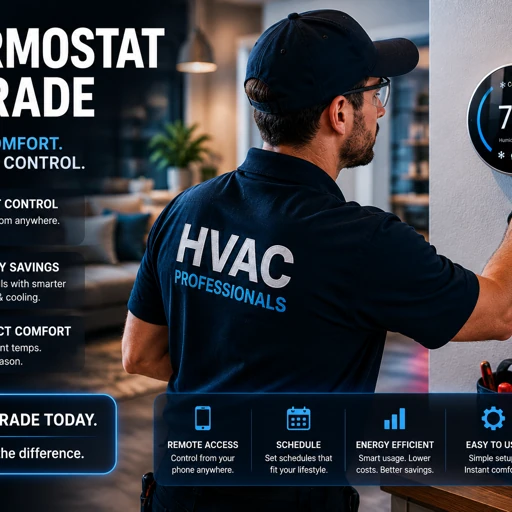
HVAC service call pricing has to cover more than the time on site. It needs to account for drive time, diagnostics, overhead, callbacks, and profit.
HVAC service call pricing is one of the easiest places for contractors to lose margin. A technician may spend thirty minutes diagnosing a failed capacitor, but the company also paid for the truck, fuel, insurance, dispatching, phone time, tools, software, callbacks, warranty handling, and the slow days when the schedule is not full. If your HVAC estimate only reflects the visible repair, the business is probably undercharging.
A strong HVAC pricing system separates the diagnostic visit, the repair quote, and the replacement proposal. Each one has a different purpose. The diagnostic fee covers the cost of getting a qualified technician to the home and identifying the problem. The repair quote explains the fix. The replacement proposal gives the customer a clear option when repair is not the best long-term answer.
Set a Diagnostic Fee That Protects the Business
The diagnostic fee should not be treated like a throwaway charge. It protects the schedule and filters out customers who are only shopping for free advice. It also gives the technician time to inspect the system, test components, explain the issue, and build a professional HVAC quote.
Some companies waive the diagnostic fee if the customer approves the repair. That can work, but only if the repair pricing still protects margin. If every small repair absorbs the service call cost, the company may stay busy while making very little profit.
Build Repair Pricing Around Common Jobs
Most residential HVAC repair work repeats. Capacitors, contactors, fan motors, blower motors, thermostats, condensate issues, control boards, refrigerant leaks, ignitors, flame sensors, and tune-up recommendations show up again and again. Each common repair should have a saved price range or flat-rate option that includes labor, part cost, overhead, and profit.
- Part cost and expected replacement frequency
- Average labor time including testing
- Drive time and dispatch overhead
- Warranty risk and callback risk
- Minimum margin required for the company
The technician should not have to invent pricing in the driveway. A consistent HVAC estimate gives the customer confidence and helps the company avoid random discounts caused by pressure or memory.
Know When a Repair Quote Should Become a Replacement Proposal
A repair quote is not always enough. If the equipment is old, inefficient, out of warranty, using expensive parts, or showing multiple failure points, the customer deserves a replacement option. This is not upselling for the sake of upselling. It is giving the homeowner a full picture of repair cost versus long-term value.
A good HVAC proposal can show both paths: repair today or replace with a new system. The customer can compare cost, warranty, comfort, reliability, and financing. Many homeowners appreciate the choice because it feels transparent instead of pushy.
Flash Quote HVAC helps contractors turn common HVAC repairs and replacement options into professional proposals without rebuilding every line item from scratch.
Use Good-Better-Best for Replacement Quotes
Replacement estimates should not force the customer into one option. A good-better-best structure lets the homeowner choose between budget, efficiency, comfort, and warranty. The key is to keep the comparison simple enough to understand.
- Good: code-compliant replacement with dependable equipment and standard warranty.
- Better: higher-efficiency system with improved comfort controls and stronger warranty.
- Best: premium system with indoor air quality, smart thermostat, extended warranty, and financing option.
Do not overload the proposal with technical specifications only. Homeowners care about comfort, noise, monthly cost, reliability, warranty, and how soon the system can be installed. Translate equipment differences into those practical outcomes.
Stop Pricing From Memory
Memory-based pricing causes inconsistency. One technician charges enough for a blower motor. Another rounds down because the customer seems nervous. One includes a maintenance membership. Another forgets. Over time, those small differences become real lost profit.
Use saved job types and line items for the most common HVAC service calls. Review them monthly or quarterly. If parts, refrigerant, labor, insurance, or fuel costs change, update the saved pricing before the team keeps quoting old numbers.
Build a Minimum Ticket Policy
Every HVAC company needs a minimum profitable ticket. Without one, the business can fill the schedule with small calls that look productive but do not cover overhead. A minimum ticket does not mean charging unfairly. It means recognizing that every dispatched call has a real cost before the technician even opens the panel.
Calculate the minimum by looking at truck cost, labor burden, fuel, insurance, dispatch, software, tools, callbacks, and the number of billable calls the company can realistically run. If the smallest approved repair cannot cover that cost plus profit, the pricing system is broken.
Show Repair and Maintenance Together
Many HVAC service calls reveal both an immediate repair and a maintenance opportunity. The repair fixes today's failure. The maintenance plan reduces future failures and gives the company recurring customer contact. The estimate should make that choice easy to understand without burying the customer in details.
For example, after quoting a capacitor replacement, the technician can include a maintenance membership option that covers seasonal tune-ups, priority scheduling, and discounts on future repairs. The customer can approve only the repair or choose the repair plus membership. That is a cleaner conversation than trying to sell the plan after the estimate is already closed.
Train Technicians on the Language, Not Just the Price
Even the best HVAC pricebook will fail if technicians cannot explain it. Train the team to describe what was found, why it matters, what the repair includes, what could happen if it is ignored, and what options the customer has. The wording should be honest and calm, not dramatic.
A good explanation sounds like this: The outdoor fan motor is failing and the system is overheating. The repair includes replacing the motor, testing the capacitor, checking amp draw, and confirming operation after the repair. Because the system is older, I also included a replacement option so you can compare repair cost against a new warranty. That kind of explanation builds trust.
Track Close Rate by Job Type
HVAC contractors should track which estimates close and which do not. If capacitor replacements close at a high rate but blower motors stall, the problem may be price, explanation, warranty, or timing. If replacement proposals close only when financing is mentioned, make financing part of the standard proposal.
Data does not need to be complicated. Review a small set of jobs each week. Which repair quotes were approved? Which replacement options were ignored? Which technicians had the highest average ticket without complaints? Those patterns show where the pricing process needs improvement.
HVAC Service Pricing Checklist
- Set a diagnostic fee that covers dispatch and technician time.
- Create saved prices for the twenty most common repairs.
- Include warranty and callback risk in repair pricing.
- Build replacement options for older or failing systems.
- Show maintenance plan options when they fit the service call.
- Train technicians to explain the recommendation in plain language.
- Review close rate and average ticket by job type every week.
- Update pricing when parts, labor, fuel, or overhead changes.
This checklist keeps pricing consistent across the team. It also gives owners a simple way to coach technicians. If a quote does not close, the question becomes specific: Was the diagnosis clear, was the repair price accurate, was the replacement option presented, and did the customer understand the next step?
When HVAC pricing is treated as a repeatable system, the company can improve without guessing. The goal is not to make technicians sound scripted. The goal is to give them reliable pricing and clear language so every customer receives a professional estimate.
Make the Customer's Decision Easier
A homeowner who is hot, cold, or worried about a failing system does not want a confusing spreadsheet. They want to know what is wrong, what it costs, how soon it can be fixed, and whether repair or replacement makes more sense. A good HVAC estimate should answer those questions in order.
That is why speed and clarity matter together. A fast quote that is vague creates doubt. A detailed proposal that arrives three days later loses momentum. The best process gives the customer a clear repair price, a replacement option when appropriate, and a simple approval step while the service call is still fresh.
Related Flash Quote Reading
- HVAC Pricing Guide: How to Charge for Residential Service Calls in 2026 - /blog/hvac-pricing-guide-residential-service-calls-2026
- How to Build a Professional Contractor Proposal That Gets Signed Fast - /blog/how-to-build-professional-contractor-proposal-gets-signed
- 5 Reasons Contractors Lose Jobs Before the Estimate Is Even Sent - /blog/5-reasons-contractors-lose-jobs-before-estimate-sent
FAQ
Should HVAC contractors charge a diagnostic fee?
Yes. A diagnostic fee protects the schedule, covers the cost of sending a trained technician, and gives the company time to identify the problem correctly.
What should be included in an HVAC repair quote?
The quote should include the problem, recommended repair, parts, labor, warranty, price, and any limits or exclusions. If the system is near end of life, include a replacement option.
How can HVAC companies avoid undercharging?
Track true overhead, set minimum profitable prices, use saved repair items, update pricing regularly, and stop letting technicians price from memory under pressure.
Flash Quote HVAC gives contractors a faster way to create repair quotes and replacement proposals from the field, so pricing stays consistent and customers get clear options.