HVAC Maintenance Agreements That Actually Sell: Pricing, Positioning, and Service Workflow
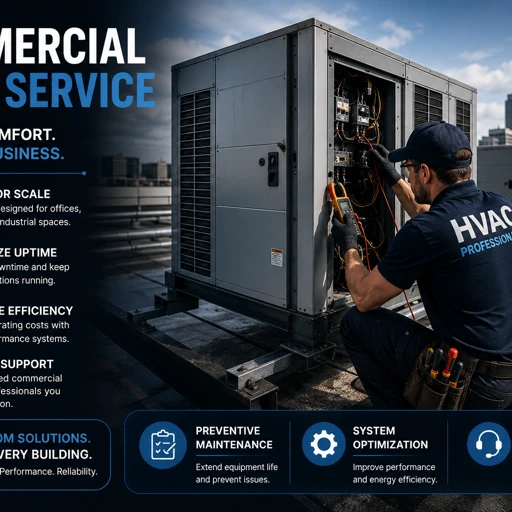
Maintenance plans can stabilize an HVAC business, but only if the pricing, promises, and field workflow make sense. This guide shows how to build an agreement customers keep renewing.
Maintenance agreements are one of the most reliable ways to smooth seasonal swings in an HVAC business. They create repeat contact with customers, improve system replacement opportunities, and make dispatching more predictable. But many contractors sell plans that look good on paper and create headaches in the field. They underprice the work, overload the schedule, or promise perks that technicians cannot deliver consistently.
A good HVAC maintenance agreement should help the customer feel protected and help the company operate more profitably. That means the pricing has to cover the actual labor involved, the inspection checklist has to be realistic, and the team has to know how the plan fits into the larger service and replacement process. If any part of that breaks down, recurring revenue becomes recurring frustration.
If your service pricing is still inconsistent, review the related Flash Quote article "HVAC Pricing Guide: How to Charge for Residential Service Calls in 2026." Maintenance plans work best when they sit on top of a disciplined pricing model, not when they are used to hide underpriced service calls.
What a Maintenance Agreement Is Supposed to Do
At its core, a maintenance agreement should do three things. First, it should reduce system neglect for the homeowner by making seasonal tune-ups routine. Second, it should improve customer retention by keeping your company in regular contact. Third, it should create more predictable revenue and more opportunities to identify repair or replacement needs before breakdowns become emergencies.
- Give the customer scheduled tune-ups with a clear checklist.
- Provide a modest value advantage such as priority scheduling or a repair discount.
- Increase customer lifetime value through repeat service and replacement trust.
- Fill shoulder seasons with planned work that supports technician utilization.
Start With the Real Cost to Deliver the Plan
A lot of HVAC companies copy a competitor’s membership price or guess based on what feels marketable. That is backward. First calculate the cost to deliver the agreement. Add technician labor time, payroll burden, drive time expectations, filter handling if included, office coordination, and the average cost of any member discounts you promise. Then build margin on top of that. Without this step, you can sell a lot of plans and still weaken the business.
For example, if each visit takes 60 to 75 minutes when travel and documentation are included, and your fully loaded internal cost is substantial, two visits per year can add up quickly. Priority scheduling also has a cost during peak demand. Repair discounts lower gross margin on work that might have sold at full price. None of that means the program is a bad idea. It means the plan price needs to reflect the real delivery model.
Choose a Simple Agreement Structure
Most residential HVAC companies do best with one or two plan tiers, not five. Too many options slow the sale and confuse technicians. A basic agreement might include spring and fall maintenance, priority scheduling, and a repair discount. A premium tier might add reduced after-hours fees, filter delivery, or a higher replacement credit. Keep the value easy to explain in under a minute.
Basic Plan Example
- Two seasonal maintenance visits per year
- Priority scheduling during peak season
- Discount on repairs
- Reminder outreach when tune-up season opens
Premium Plan Example
- Everything in the basic plan
- Lower emergency or after-hours fee
- Larger repair discount or replacement credit
- Filter support or indoor air quality check as part of the visit
The mistake to avoid is packing in so many extras that your technicians feel like every membership call is a loss leader. Customers renew plans that feel straightforward and dependable. They do not need a long feature list. They need confidence that your company will keep their system running and answer the phone when it matters.
Train the Sales Pitch Around Outcomes, Not Discounts
Technicians and comfort advisors often default to selling maintenance agreements by talking about the percentage discount. That can work, but it is not the strongest angle. Homeowners usually care more about avoiding surprise breakdowns, extending system life, and getting service quickly in extreme weather. Sell the agreement around those outcomes. The discount is a supporting detail, not the whole story.
A useful script sounds like this: 'This plan keeps your spring and fall maintenance on schedule, gives you priority if something breaks during the busy season, and helps us catch wear issues before they turn into expensive repairs.' That positioning makes the plan feel practical. It frames the agreement as a system care program, not just a coupon.
Use the Visit Checklist as a Sales and Quality Tool
The maintenance checklist is where the operational side of the plan either becomes real or falls apart. Every agreement should have a standardized inspection sequence that technicians can complete consistently. That protects quality, makes documentation easier, and creates better customer communication after the visit. It also helps newer technicians understand what must be covered before they leave the job.
- Inspect and clean components that are part of the standard visit scope.
- Measure electrical and system performance indicators consistently.
- Document wear items, airflow concerns, and any signs of future failure.
- Summarize findings in customer-friendly language with clear next steps.
- Present repairs or improvements while the value of the visit is obvious.
This is where estimating discipline matters again. If a technician identifies a blower motor issue, capacitor weakness, or drain safety concern, they should be able to generate a clean, consistent quote quickly. Flash Quote helps here because it reduces the friction between diagnosis and presentation. That makes the maintenance visit more productive without turning it into a high-pressure sales event.
Avoid the Scheduling Trap
A maintenance program can overwhelm a small HVAC shop if the scheduling model is lazy. If you wait until the first hot week of the year to reach out to every cooling customer, you create your own bottleneck. Instead, spread tune-up outreach across the shoulder season and set internal targets for how many visits should be booked each week. Capacity planning matters as much as sales volume.
- Launch cooling tune-up outreach before the rush, not during it.
- Batch neighborhoods where possible to reduce windshield time.
- Reserve technician capacity for member visits in slower periods.
- Do not oversell same-day priority if you cannot operationally support it.
Priority scheduling should mean something real, but it should not force the team into impossible promises. Define what priority means internally. Maybe members get the next available slot before non-members, or maybe they get preferred placement within the next business day during peak demand. Be specific inside the company so the field team and office team are aligned.
Measure Retention, Not Just Sales
Companies often celebrate the number of new memberships sold and ignore the more important numbers: renewal rate, average repair revenue per member, replacement close rate from member accounts, and service burden per plan. A healthy program creates repeat revenue and better customer relationships without destroying schedule efficiency. If renewals are weak, the issue may be poor visit execution, weak reminders, or a plan price that customers do not believe is worthwhile.
A simple dashboard can tell you a lot. Track active agreements, expiring agreements, seasonal visit completion rate, average revenue generated from member calls, and cancellation reasons. When you review those numbers monthly, you can see whether the program is becoming a retention engine or just another administrative task.
Connect the Agreement to Replacements the Right Way
Maintenance agreements often lead to system replacement opportunities because your team is seeing equipment regularly and building trust over time. That does not mean every tune-up should feel like a sales ambush. The right approach is to document age, efficiency decline, repeated repair patterns, and comfort issues honestly. Then present repair-versus-replace choices when the facts support it.
When the customer is ready to discuss a new system, the proposal experience matters. A rushed handwritten price undercuts the trust you built through service. The same professionalism discussed in the Flash Quote article "How to Build a Professional Contractor Proposal That Gets Signed Fast" applies to HVAC replacements too. If the maintenance relationship opened the door, the estimate presentation needs to close it cleanly.
HVAC CTA: Use Flash Quote to turn maintenance-visit findings into clean HVAC repair or replacement proposals before the opportunity cools off.
FAQ: HVAC Maintenance Agreement Pricing and Operations
How much should an HVAC maintenance agreement cost?
The right price depends on your labor model, travel assumptions, and included benefits. Start by calculating the real delivery cost for the full year, then add margin. Do not start from competitor pricing alone. A membership program that sells easily but loses money is not helping the business.
Should I offer one plan or multiple HVAC membership tiers?
Most contractors should start with one strong core plan or a simple two-tier structure. More tiers create confusion and often do not add meaningful revenue. Keep the offering easy for technicians and CSRs to explain consistently.
What benefits matter most to homeowners?
Seasonal tune-ups, priority scheduling, and confidence that problems will be caught early are usually more compelling than a long list of fringe perks. Customers want reliability and responsiveness more than complexity.
How do I keep maintenance visits from overwhelming the schedule?
Book proactively in shoulder seasons, spread outreach over time, and define realistic internal service levels for members. The companies that struggle most are the ones that sell plans year-round but wait too long to schedule the actual visits.
Can maintenance plans help with HVAC replacement sales?
Yes, because they increase trust and system visibility. You are in the home regularly, documenting equipment condition and comfort issues. That creates better replacement conversations, provided the estimate process stays professional and the recommendations remain honest.
Final Takeaway
A maintenance agreement is not just a marketing offer. It is an operating system for retention, recurring revenue, and better service relationships. Price it based on actual delivery cost, keep the structure simple, train the pitch around outcomes, and make sure technicians can document and quote the next step professionally. When those pieces are in place, the plan becomes an asset instead of an obligation.