HVAC Diagnostic Quotes: How to Price Troubleshooting Without Losing the Repair
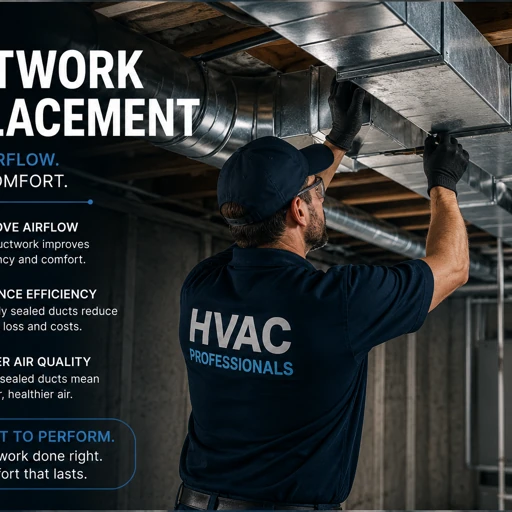
HVAC diagnostic pricing should protect technician time while giving homeowners a clear path from troubleshooting to repair, replacement, or maintenance.
HVAC troubleshooting is skilled work, but many contractors still present it like a small fee instead of a professional service. A technician may need to test electrical components, airflow, refrigerant behavior, thermostat calls, safeties, drains, motors, capacitors, controls, and equipment condition before the real recommendation is clear. That time has value whether or not the customer approves the final repair.
A strong HVAC diagnostic quote protects the company and keeps the customer comfortable. It explains what the diagnostic includes, where it ends, what happens if a repair is found, and how the customer can approve the next step. Without that structure, technicians either give away troubleshooting time or surprise customers with costs after trust has already started to weaken.
Define the Diagnostic Before the Technician Starts
The customer should understand the diagnostic fee before work begins. That does not mean reading a legal script. It means clearly saying that the fee covers the visit, initial system testing, diagnosis of the reported issue, and a written recommendation. If deeper testing may require additional approval, say that upfront.
Clear diagnostic language prevents arguments later. If the customer believes the fee includes unlimited troubleshooting, every additional minute becomes a conflict. If the customer understands the first diagnostic block and approval path, the conversation stays professional.
Separate Diagnostic Work From Repair Work
Diagnostic work and repair work should not be blended into one vague number unless the repair is already known. A no-cool call might be a capacitor, contactor, motor, refrigerant issue, control problem, drain safety, or airflow restriction. The technician needs room to diagnose before quoting the real repair.
Once the issue is found, the repair quote should stand on its own. It should explain the failed component, included labor, part warranty, testing after repair, and any risk that remains. This makes the customer feel informed instead of trapped.
Flash Quote HVAC helps technicians move from diagnostic findings to repair and replacement options without rebuilding the proposal from scratch.
Use Plain Language for Technical Findings
HVAC diagnostics can sound complicated quickly. Homeowners may not understand microfarads, static pressure, superheat, flame rectification, ECM modules, low-voltage shorts, or pressure switches. The quote should use plain explanations that connect the finding to the customer problem.
For example, instead of saying bad capacitor, say the outdoor unit has a failed start component, so the compressor or fan cannot start correctly. Instead of saying low airflow, say the system is not moving enough air, which can reduce comfort and cause equipment stress. Plain language makes the recommendation easier to approve.
Build Repair Options From the Diagnosis
After troubleshooting, the customer may have more than one path. A simple part replacement may solve the immediate problem. A larger repair may improve reliability. Replacement may be worth discussing if the system is old, out of warranty, uses costly parts, or has repeated failures.
Do not force replacement into every diagnostic call. The technician should explain realistic choices based on age, condition, repair cost, comfort complaints, and customer priorities. Trust is built when repair is offered honestly and replacement is explained only when it is relevant.
Explain What Testing Happens After Repair
The repair quote should include post-repair testing. Customers are not just paying for a part. They are paying for the technician to install it correctly, restart the system, verify operation, and confirm that the original symptom is resolved. That testing has value and should be visible in the proposal.
Post-repair testing also protects the contractor. If a failed capacitor is replaced and the system then reveals a weak fan motor, the technician can explain that the original issue was corrected and a new finding appeared during verification. That is easier when the estimate already described the testing process.
Use Diagnostic Findings to Sell Maintenance Honestly
Maintenance plans should connect to the condition found on the call. Dirty coils, clogged drains, weak capacitors, loose electrical connections, neglected filters, and poor airflow all create a natural maintenance conversation. The technician can explain how regular service helps catch problems earlier and keep the system operating better.
This should not feel like a random add-on. The proposal should show what maintenance includes, the price, any discounts or priority service, and when the first visit would happen. Clear maintenance language turns the diagnostic call into a longer customer relationship.
Do Not Let Diagnostic Fees Kill Close Rate
A diagnostic fee should protect the company, but it should not feel like a punishment to the customer. Some HVAC companies apply the fee toward approved repair. Others keep it separate. Either approach can work if the policy is clear and the technician can explain it confidently.
The problem is inconsistency. If one technician waives the fee and another does not, customers learn to negotiate. Decide the policy, write it into the workflow, and make sure the estimate language supports it.
Create Saved Diagnostic Quote Items
Common diagnostic categories should be saved so technicians do not type from scratch: standard diagnostic, advanced electrical troubleshooting, refrigerant leak search, airflow assessment, drain safety diagnostic, combustion or furnace safety check, and thermostat or control troubleshooting.
Saved items make pricing consistent and keep the proposal professional. They also help new technicians learn how the company explains diagnostic work in customer-friendly language.
Follow Up When the Customer Pauses
Some customers need time after receiving a diagnostic and repair quote, especially when the repair is expensive. Follow-up should reference the actual finding, not just ask if they are ready. A useful message might say that the outdoor motor issue can prevent cooling and that the repair quote is ready if they want to get the system operating again.
For no-heat, no-cool, drain overflow, and electrical safety findings, urgency should be communicated clearly without pressure. A professional follow-up helps the customer understand that delaying the decision has comfort or risk consequences.
Document System Age and Repair History
Diagnostic quotes become stronger when they include system age, warranty status, and recent repair history. A capacitor on a three-year-old system is a different conversation than a compressor-related issue on a fourteen-year-old system. The same repair price can mean different things depending on the equipment condition.
Technicians should document model and serial information, visible condition, prior repairs if known, and any customer complaints about comfort or reliability. That information helps the homeowner compare repairing today against investing in a replacement or maintenance plan. It also helps the office if the customer calls back with questions.
Give Dispatch Better Notes After the Call
A diagnostic visit often creates follow-up work: ordering a part, scheduling a return visit, sending a comfort advisor, checking warranty, or confirming equipment availability. If the proposal does not capture those next steps, the office has to reconstruct the call from memory.
Clear diagnostic notes should include the finding, approved or declined options, part needs, urgency, customer concerns, photos, and promised follow-up. That turns the estimate into a clean handoff instead of a disconnected service ticket. It also gives the next technician better context if the customer approves later.
Price Repeat Diagnostic Problems Differently
Some HVAC issues are not one-visit problems. Intermittent low-voltage shorts, nuisance trips, refrigerant leaks, airflow complaints, humidity problems, and zoning issues can take more than a basic diagnostic block. The quote should explain when the first diagnostic covers the initial evaluation and when advanced troubleshooting requires separate approval.
This protects technician time and sets honest expectations. Customers may be frustrated when a problem is intermittent, but they are less frustrated when the process is explained before hours of testing begin. A written diagnostic structure also helps managers defend the technician's time when a difficult problem takes longer than a simple repair, especially during peak season when every dispatch slot matters.
HVAC Diagnostic Quote Checklist
- Explain the diagnostic fee before testing begins.
- Define what the diagnostic includes and where additional approval starts.
- Separate diagnostic work from repair work.
- Use plain language for technical findings.
- Show repair, replacement, or maintenance options when relevant.
- Include post-repair testing in the quote.
- Use saved diagnostic items for consistency.
- Follow up using the specific system finding.
Related Flash Quote Reading
- HVAC Service Call Pricing: How to Quote Diagnostics, Repairs, and Replacements - /blog/hvac-service-call-pricing-diagnostics-repairs-replacements
- HVAC Pricing Guide: How to Charge for Residential Service Calls in 2026 - /blog/hvac-pricing-guide-residential-service-calls-2026
- HVAC Proposal Options: How to Present Repair, Replace, and Maintenance Choices - /blog/hvac-proposal-options-repair-replace-maintenance
FAQ
Should HVAC contractors charge a diagnostic fee?
Yes, most should charge for diagnostic work because it covers skilled testing, travel, time, and a professional recommendation. The key is explaining what the fee includes before the work starts.
Should the diagnostic fee apply to the repair?
Either policy can work. What matters is consistency, clear communication, and pricing that still protects technician time and company overhead.
How can HVAC technicians convert diagnostics into approved repairs?
Explain the finding in plain language, show what the repair includes, discuss remaining risk, offer options when appropriate, and make the approval step simple.
Flash Quote HVAC helps contractors quote diagnostics, repairs, replacements, and maintenance options from the field with clear customer-ready language.