Electrical Pricing for Small Jobs: How to Stop Losing Money on Service Calls
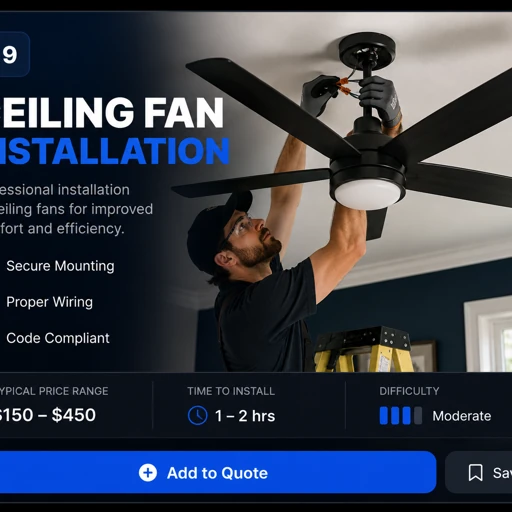
Small electrical jobs can quietly drain profit when contractors price only the visible task and forget travel, diagnosis, setup, overhead, and warranty risk.
Small electrical jobs are easy to underprice. An outlet replacement, GFCI install, fixture swap, breaker diagnosis, or ceiling fan install may look simple, but every service call carries real cost. The electrician has to drive there, diagnose the issue, protect the home, complete the work, test it, collect payment, document the job, and stand behind the repair.
If the estimate only reflects the visible task, small jobs can become unprofitable. The company stays busy, but the truck is running all day for weak tickets. A better electrical pricing system sets minimum charges, uses saved service items, explains scope clearly, and protects the business from giving away skilled labor.
Set a Minimum Service Ticket
Every residential electrical contractor needs a minimum ticket that makes a dispatched visit worthwhile. That number should include drive time, labor burden, insurance, tools, software, office time, and profit. Without a minimum, the company can lose money on jobs that appear easy.
A minimum ticket is not unfair. It is the cost of sending a licensed professional to a home with the tools, knowledge, and liability coverage to do electrical work safely. The proposal should explain the work clearly so the customer understands the value.
Create Saved Prices for Repeat Small Jobs
Most small electrical work repeats. GFCI outlets, light fixtures, dimmers, switches, ceiling fans, smoke detectors, troubleshooting blocks, dedicated circuits, and breaker replacements show up constantly. Each should have a saved estimate item or preset.
- Standard outlet or switch replacement
- GFCI outlet installation
- Light fixture replacement
- Ceiling fan installation
- Troubleshooting time block
- Dedicated appliance circuit
- Breaker replacement or panel correction
Saved pricing keeps the technician from guessing. It also keeps the company from charging different prices for the same work depending on who is in the home.
Price Troubleshooting as a Process
Troubleshooting is not the same as installation. The electrician may not know whether the issue is a failed device, loose neutral, overloaded circuit, nuisance trip, damaged wiring, or equipment problem. The quote should explain the diagnostic block and when additional approval is needed.
For example, the estimate can include the first diagnostic period, basic testing, and findings. If the repair is discovered during that period, the electrician can quote the repair separately. This protects the customer from an open-ended bill and protects the contractor from unlimited troubleshooting for one low price.
Flash Quote Electrical helps contractors save common small-job pricing and send clear electrical estimates before the technician leaves the home.
Explain Why Small Jobs Still Have Real Cost
Customers may think a small job should be cheap because the part is inexpensive. A GFCI outlet may not cost much at the supply house, but the service includes diagnosis, proper installation, testing, safety, warranty, and liability. The contractor must explain the complete service, not just the part.
Use calm language. This price includes the service visit, replacement device, installation, testing, and verification that the outlet is operating correctly. That is better than sounding defensive or apologizing for the number.
Bundle Related Work When It Helps the Customer
Small electrical jobs are often near other small needs. A customer replacing one fixture may want two more done. A GFCI issue may reveal old outlets nearby. A troubleshooting call may expose a panel labeling problem. Bundling related work can increase ticket size while giving the customer a better outcome.
The bundle should be useful, not forced. Offer the option clearly: while we are here, we can also replace the remaining worn outlets in this room for a combined price. That is a helpful recommendation when it saves the customer another trip charge later.
Track Profit by Job Size
If small jobs are not profitable, the owner needs to know. Track average ticket, drive time, callbacks, material use, and close rate by job type. If ceiling fans are consistently taking longer than expected, update the price. If troubleshooting calls are running long, adjust the diagnostic structure.
The goal is not to avoid small jobs. Small jobs can create repeat customers, reviews, and future panel or remodel work. The goal is to price them so the company can afford to serve those customers well.
Use Trip Fees and Diagnostic Fees Intentionally
Some electricians separate the service call fee from the repair price. Others roll the visit into a minimum ticket. Either model can work, but it needs to be intentional. The customer should understand whether the fee covers diagnosis only, whether it applies to approved work, and when additional pricing begins.
Confusing fee language creates frustration. Clear fee language builds trust. If the diagnostic fee is not free, say what it includes: travel, initial inspection, basic testing, and a written recommendation.
Create Standard Language for Common Safety Issues
Small electrical jobs often reveal safety concerns: open grounds, missing GFCI protection, overheated devices, double-tapped breakers, damaged covers, improper splices, or outdated smoke detectors. The estimate should explain those concerns clearly and calmly.
Use standard language so every electrician describes common issues the same way. This protects the company from inconsistent explanations and helps customers understand why an additional recommendation is being made.
Build Small-Job Packages
Small electrical work can often be packaged in a way that helps the customer and the contractor. Instead of quoting one outlet at a time, offer a room device refresh. Instead of only replacing one fixture, offer a multi-fixture installation price. Instead of one smoke detector, offer a code-focused safety update for the home.
Packages should not be gimmicks. They should reflect real efficiencies. If the electrician is already on site with tools set up, related work may cost less than a separate trip later. Explain that benefit clearly so the customer understands why the package is useful.
Use the Estimate to Protect Against Scope Creep
Small jobs can expand quickly. A fixture replacement becomes troubleshooting old wiring. An outlet install becomes drywall access. A breaker issue becomes panel correction. The estimate should say what is included and where additional approval begins.
This protects the electrician from doing unpaid extra work and protects the customer from surprise charges. Scope clarity is just as important on a small job as it is on a panel upgrade.
Do Not Forget Permits, Code, and Testing
Some small electrical jobs are simple replacements, but others touch code requirements, permits, AFCI or GFCI protection, bonding, panel labeling, load concerns, or inspection expectations. If the electrician has to handle any of that, the price should include the time and responsibility.
Testing should also be part of the estimate language. The customer is not just paying for a device to be installed. They are paying for a licensed electrician to verify that the circuit works correctly and that the finished work is safe to use.
When permits are not included, say that clearly. When they are included, list them as part of the value. Clear permit and testing language prevents the customer from comparing a professional electrical estimate to an incomplete quote that ignores the rules.
Use Small Jobs to Build Future Larger Work
A small electrical service call may be the first time a homeowner meets the company. Treat it like the start of a relationship. A clean estimate, respectful explanation, documented work, and simple payment process make it more likely that the same customer calls for panel upgrades, EV chargers, lighting projects, or remodel wiring later.
The estimate can include future recommendations without pressuring the customer. If the panel labeling is poor, outlets are aging, smoke detectors are expired, or the home lacks modern protection, note it clearly as a recommendation. That turns a small call into useful documentation for the customer and future sales opportunity for the contractor when the homeowner is ready. The key is to label future work separately from the approved repair so the customer does not feel surprised or pressured.
Small Electrical Job Pricing Checklist
- Set a minimum service ticket.
- Save prices for common small jobs.
- Separate troubleshooting from known installation work.
- Explain the complete service, not just the part.
- Bundle related work when it benefits the customer.
- Track average ticket and callback rate.
- Update prices when labor or overhead changes.
- Use a professional estimate for every job, even small ones.
Related Flash Quote Reading
- Electrical Estimating: What to Charge for Residential Electrical Work in 2026 - /blog/electrical-estimating-what-to-charge-residential-2026
- Electrical Estimate Checklist: What Residential Electricians Should Include - /blog/electrical-estimate-checklist-residential-electricians
- How to Build a Professional Contractor Proposal That Gets Signed Fast - /blog/how-to-build-professional-contractor-proposal-gets-signed
FAQ
Why do small electrical jobs need a minimum charge?
Because every service call includes travel, labor burden, insurance, tools, testing, documentation, and warranty risk. The visible task is only part of the cost.
Should electricians charge hourly for troubleshooting?
Many electricians use diagnostic blocks or hourly troubleshooting for uncertain problems. The key is explaining what is included and when additional approval is needed.
How can electricians increase small-job profitability?
Use minimum tickets, saved pricing, clear estimates, related-work bundles, and regular review of job time and callback data.
Flash Quote Electrical helps electricians quote small jobs professionally so even quick service calls have clear scope, price, and approval.