Electrical Panel Upgrade Quotes: How to Scope Permits, Service Changes, and Homeowner Options
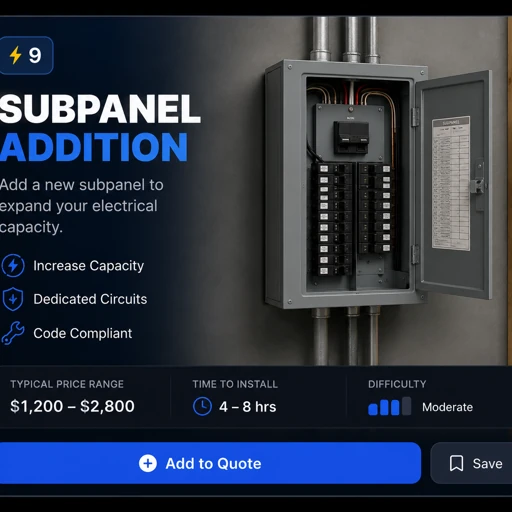
Panel upgrades are high-value electrical jobs, but the estimate often collapses into one number. This guide helps electricians quote panel work with clearer scope, permit language, and better homeowner communication.
Electrical panel upgrades are some of the most important residential estimates an electrician sends. They are also some of the easiest to misquote. A homeowner may ask for a 200-amp panel upgrade, an EV charger-ready service, or replacement of an outdated breaker panel, but the real scope can include permit handling, utility coordination, grounding and bonding updates, meter considerations, surge protection, branch circuit cleanup, and access constraints that are not obvious in the first conversation.
When the estimate does not explain those pieces clearly, the homeowner sees a high number and compares it to cheaper bids that may not include the same work. The electrician then gets dragged into defending price without first establishing scope. A better panel-upgrade proposal leads with what is being corrected, what is being improved, and what coordination is required to do the job safely and legally.
This article builds on the Flash Quote articles "Electrical Estimating: What to Charge for Residential Electrical Work in 2026" and "Electrical Estimate Checklist: What Residential Electricians Should Include." Those pieces cover the pricing baseline and estimate structure. Here we are focusing on the specific quoting challenges that show up on residential panel jobs.
Why Panel Upgrade Estimates Create So Much Price Resistance
Homeowners often do not buy panel upgrades frequently enough to understand the scope. They may think the electrician is just swapping one metal box for another. They do not automatically see the labor involved in disconnecting circuits, labeling conductors, coordinating shutoff, updating grounding, handling permits, arranging inspections, and restoring the system safely. If the quote does not make those realities visible, the job sounds expensive instead of comprehensive.
- The customer does not understand what conditions triggered the panel recommendation.
- Permit and utility coordination are not explained early enough.
- The estimate hides safety and code items inside one large total.
- Different contractors are quoting different scopes without making that obvious.
- The proposal does not connect the upgrade to future needs like EV charging, additions, or appliance loads.
This is why panel estimates need stronger explanation than many smaller electrical jobs. The customer is not just buying hardware. They are buying risk reduction, service capacity, compliance, and a cleaner electrical foundation for the home.
Start With the Reason for the Upgrade
Every panel estimate should open with why the recommendation exists. Is the existing panel obsolete, unsafe, overloaded, damaged, or too small for planned new loads? Is the homeowner adding an EV charger, heat pump, hot tub, or renovation scope that exceeds current capacity? Different reasons create different sales conversations, even when the final work looks similar.
- Safety-driven replacement: damaged, obsolete, or failure-prone equipment.
- Capacity-driven upgrade: existing service cannot support planned loads.
- Renovation-driven upgrade: remodel or addition requires new circuit space and modern service planning.
- Future-readiness upgrade: homeowner wants to prepare for electrification, solar integration, or EV charging.
If the estimate skips this framing, the customer is left comparing amperage numbers instead of understanding the underlying problem. That weakens close rate because the recommendation feels optional even when it is not.
Inspect and Document the Existing Service Thoroughly
Panel quotes get stronger when the electrician documents the current condition carefully. Note the panel make and age if known, signs of heat or corrosion, circuit crowding, tandem breakers, missing labeling, grounding condition, exterior disconnect issues, meter location, and access constraints. Good photos matter because they support both the proposal and the office handoff.
This is especially useful when multiple decision-makers are involved. One spouse may not have been home during the visit. A clear estimate backed by condition notes and photos helps explain why the work is recommended without requiring another in-person sales cycle.
For panel jobs, photos should answer three questions fast: what is there now, what safety or capacity issue exists, and what part of the home or utility setup affects the new scope?
Clarify Permit, Utility, and Inspection Scope
A lot of electrical bids fall apart because the customer finds out late that the utility shutoff, permit timing, or inspection process affects the schedule. Panel upgrades often require more coordination than homeowners expect. The quote should state whether permit procurement, inspection coordination, and utility communication are included, and it should explain that scheduling may depend on those external steps.
- Permit application and inspection coordination
- Utility disconnect or reconnect coordination when required
- Service mast, meter, or exterior equipment implications if known
- Expected outage window during the upgrade
- Any assumptions about existing branch circuits or hidden conditions
This is not just helpful for closing the job. It reduces friction after approval. Customers who understand the process upfront are less likely to feel the project is delayed when the utility or inspector timeline becomes part of the job.
Separate Base Panel Scope From Additional Electrical Improvements
Panel upgrades often expose adjacent opportunities such as whole-home surge protection, new grounding work, EV charger prep, branch-circuit cleanup, subpanel rework, or generator interlock additions. Those can be valuable, but they should be presented cleanly. The customer needs to understand what is required for the panel project and what is an optional improvement or future-ready add-on.
If you mix required and optional work into one total, the homeowner may reject important safety scope because they feel the estimate is bloated. A cleaner structure is to show the base panel upgrade clearly, then list recommended add-ons with a short explanation of why each one matters.
Explain Code and Safety Items in Plain Language
Electricians know what grounding, bonding, labeling, AFCI, GFCI, or surge requirements mean. Homeowners usually do not. The estimate should translate those into normal language. For example, explain that surge protection helps protect major electronics and appliances, or that grounding and bonding updates are part of creating a safe, code-compliant service. The point is clarity, not technical flexing.
This approach mirrors the broader advice in "Electrical Estimate Checklist: What Residential Electricians Should Include." A strong electrical proposal makes the scope understandable before it makes it impressive.
Use Options When the Homeowner Has a Real Choice
Not every panel quote needs multiple options, but many do. A customer might compare a straightforward panel replacement, a service upgrade sized for future loads, and a panel upgrade with EV charger prep or surge protection included. Those are legitimate differences because they map to real homeowner priorities. What you want to avoid is creating options that differ only by arbitrary price padding.
- Base option: addresses the current safety or replacement need.
- Recommended option: adds future capacity or protection that fits the home’s likely path.
- Upgrade option: includes premium or future-ready features such as EV prep, surge protection, or broader service modernization.
When the option structure is clean, the customer can choose based on their goals instead of feeling like they are negotiating blind. That often produces a better close rate than pushing one large number that scares them into more shopping.
Present the Approval and Scheduling Path Clearly
Panel work is not the kind of job that should begin from a vague verbal yes. The estimate should explain the next step: approve the proposal, confirm permit and utility coordination, schedule the work date, prepare for power shutdown, and review any homeowner responsibilities. The more clearly you outline the path, the more professional the project feels.
Flash Quote is useful here because it helps electricians turn a complex panel scope into a customer-ready estimate quickly. The value is not just speed. It is consistency. When every panel quote includes the same approval logic, options, and permit language, the company looks organized and the office handoff gets easier.
Review Panel Jobs by Close Rate and Margin
Panel upgrades deserve their own reporting. Track close rate, average selling price, optional add-on acceptance, install hours, permit timing, and change-order frequency. If the company is winning too few jobs, the issue may be scope communication. If jobs are selling but margin is thin, the estimate may be missing branch-circuit cleanup, access difficulty, or coordination time.
This is especially useful when comparing quote types. Safety-driven replacement jobs may close differently than future-readiness upgrades tied to EV charging. The homeowner motivation affects how the estimate should be framed. Data helps refine that framing over time.
Electrical CTA: Use Flash Quote to build clear panel upgrade proposals with permit language, service scope, and homeowner-friendly options before the job turns into a price-only conversation.
Related Flash Quote Reading
- Electrical Estimating: What to Charge for Residential Electrical Work in 2026 - /blog/electrical-estimating-what-to-charge-residential-2026
- Electrical Estimate Checklist: What Residential Electricians Should Include - /blog/electrical-estimate-checklist-residential-electricians
- How to Build a Professional Contractor Proposal That Gets Signed Fast - /blog/how-to-build-professional-contractor-proposal-gets-signed
- 5 Reasons Contractors Lose Jobs Before the Estimate Is Even Sent - /blog/5-reasons-contractors-lose-jobs-before-estimate-sent
FAQ
What should an electrical panel upgrade quote include?
It should include the panel scope, service size or replacement path, permit and inspection handling, utility coordination assumptions, safety or code items, optional add-ons when relevant, and a clear approval path.
Should electricians list surge protection and EV prep as separate options?
Usually yes, if they are not required for the core upgrade. Keeping them separate helps homeowners understand what is necessary now versus what improves protection or future capacity.
Why do homeowners push back on panel upgrade pricing?
Often because they do not understand the full scope, coordination, or safety value of the work. Clearer estimate language usually improves the conversation more than simply lowering the number.
Do all panel upgrades need permits and utility coordination?
Requirements vary by jurisdiction and scope, but many do involve permits and some level of utility or inspection coordination. The estimate should state the assumptions clearly for the specific job.
Can electricians use a repeatable template for panel quotes?
Yes, and they should. A repeatable template improves consistency, speeds field quoting, and reduces missed scope details on complex electrical work.
Final Takeaway
Panel upgrade estimates win more work when they make the invisible work visible. Show why the upgrade is needed, document the current condition, explain permit and utility coordination, separate required scope from optional improvements, and give the homeowner a clean approval path. That is how electricians turn complex service work into a proposal customers can trust.