Electrical EV Charger Estimates: How to Quote Load, Permits, and Installation Options
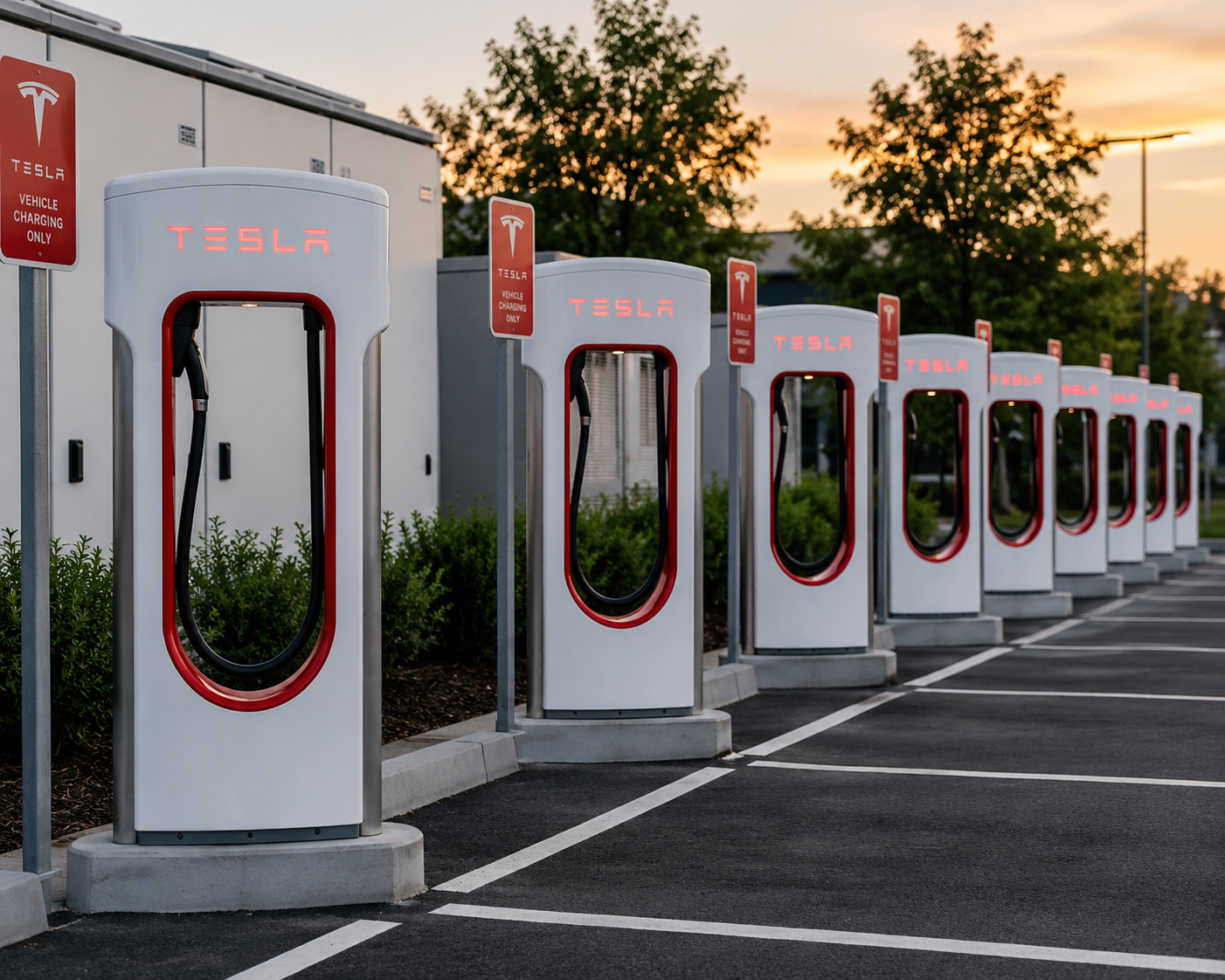
EV charger estimates need more than a device price. Contractors must explain load, panel capacity, wire runs, permits, placement, and upgrade options clearly.
EV charger work is a growing opportunity for residential electricians, but it is also easy to underquote. Homeowners may think the job is simply mounting a charger and running a wire. The contractor has to evaluate panel capacity, load, breaker space, wire route, distance, wall construction, permits, charger type, inspection, and sometimes service or panel upgrades.
A professional EV charger estimate should educate the homeowner without overwhelming them. It should show the recommended installation, explain the electrical constraints, offer options when needed, and make clear what is included. The customer is often buying convenience, safety, and faster charging, not just an outlet.
Start With Load and Panel Capacity
Before quoting the installation, the electrician needs to understand whether the existing electrical system can support the charger. Panel size, available breaker space, existing loads, service capacity, and local code requirements all matter. A charger that looks simple can become a load calculation job quickly.
The estimate should explain this in plain language. If the panel has capacity, say that the quoted installation is based on the current panel supporting the charger. If capacity is uncertain or insufficient, explain that load management, a panel upgrade, or a service upgrade may be needed.
Quote the Wire Route, Not Just the Charger
The wire route is one of the biggest cost drivers. A short surface run in a garage is different from a long attic run, finished basement route, exterior conduit, trench, detached garage, or path across finished spaces. The estimate should identify the route assumed and the materials included.
If drywall cutting, trenching, concrete work, or patching is excluded, state that clearly. Homeowners compare EV charger estimates poorly when one quote includes a clean route and another ignores the hard parts.
Flash Quote Electrical helps electricians present EV charger options with panel notes, route assumptions, permits, and approval steps in one clear estimate.
Explain Charger Level and Charging Speed
Homeowners may ask for a fast charger without understanding amperage, circuit size, vehicle limits, or utility constraints. The estimate should explain the recommended charging setup in practical terms: expected convenience, circuit size, charger compatibility, and any limits based on the home.
Avoid promising exact charge times unless the vehicle and charger specs are confirmed. It is safer to explain that charging speed depends on the vehicle, charger, circuit size, and battery condition. That keeps the proposal accurate and professional.
Offer Options When the Panel Is Tight
If panel capacity is limited, the homeowner may have several choices. The electrician might quote a lower-amperage charger circuit, a load management device, a panel upgrade, or a service upgrade. Each option has different cost, performance, and future-readiness.
This is where good-better-best can work well. Good may be a lower-amperage installation that fits the existing system. Better may include load management. Best may include panel or service work that supports the charger and future electrical needs.
Include Permits and Inspection Clearly
EV charger installations often require permits and inspection. The quote should say whether permit handling is included, whether utility coordination is needed, and what inspection readiness means. If permit fees vary by jurisdiction, explain how they are handled.
Permit language helps justify the price. A professional electrician is not only installing equipment. They are making sure the installation is documented, code-compliant, and safe for the home.
Define Charger Supply Responsibility
Some customers buy their own charger. Others expect the electrician to supply it. The estimate should say who provides the charger, what model or compatibility assumptions are being used, and what happens if the customer-supplied charger is missing parts, damaged, incompatible, or not present on installation day.
Customer-supplied equipment can be fine, but it must be documented. Otherwise the electrician can lose time dealing with missing brackets, wrong plugs, damaged units, or app setup questions that were never priced.
Do Not Ignore Placement and Protection
Charger placement affects convenience and cost. The customer may want the charger near a garage bay, driveway, exterior wall, or parking area. The electrician should evaluate cord reach, weather exposure, protection from damage, mounting surface, working clearance, and local code requirements.
The estimate should describe the assumed location. If the customer later changes placement, that may change wire length, conduit, labor, and permit details. Clear placement language prevents change-order conflict.
Include Testing and Customer Handoff
After installation, the electrician should test the circuit, verify operation, label the panel, and explain basic use or limitations. If charger app setup is included, list it. If app setup is excluded because it depends on the customer account or vehicle, say so.
The customer handoff matters because EV charger work is often new to homeowners. A short explanation of breaker location, charger use, and what to do if there is a fault can reduce callbacks and improve reviews.
Document Exclusions and Unknowns
Common exclusions may include drywall repair, painting, concrete patching, trench restoration, utility upgrades, charger app setup, Wi-Fi troubleshooting, vehicle configuration, and repair of existing electrical defects. If these are not included, list them clearly.
Unknowns should also be documented. Hidden framing, blocked wire routes, full panels, old wiring, or utility requirements can change the final scope. The estimate should explain that additional work requires approval before proceeding.
Use EV Charger Quotes to Build Future Electrical Work
An EV charger visit often reveals larger electrical needs: panel labeling, surge protection, old breakers, service limitations, subpanel opportunities, or future battery and solar planning. The electrician should document those recommendations separately from the approved charger work.
This helps the homeowner plan without feeling pressured. It also positions the contractor as the electrical company to call when the customer needs upgrades later.
Price Distance and Difficulty With Confidence
EV charger customers often compare quotes without realizing how much distance and difficulty matter. A charger mounted next to the panel is a different job than a charger across a finished garage, through an attic, around masonry, or out to a detached structure. The estimate should explain the assumed path and why that path affects labor and material.
This protects the electrician when the homeowner says another company is cheaper. The right response is not to apologize. It is to show that the quote includes the route, conduit, wire size, breaker, permits, testing, and any access limits. A complete quote should look different from a shortcut quote.
Handle Utility and Rebate Questions Carefully
Some homeowners ask about utility programs, rebates, time-of-use rates, or charger incentives. The electrician can be helpful without promising something outside the estimate. If rebate paperwork, utility coordination, or special metering is included, list it. If it is not included, tell the customer where responsibility starts and ends.
Clear language matters because rebate programs change and utilities may have their own requirements. The electrical estimate should focus on the contractor's installation scope while documenting any customer responsibility for utility applications, vehicle account setup, charger registration, or incentive paperwork.
Use Photos to Explain the Electrical Constraints
Photos can make an EV charger estimate much easier to understand. Include the panel, proposed charger location, route challenges, finished surfaces, exterior path, trench area, or detached garage conditions when they affect price. A homeowner who sees the route is less likely to treat every charger quote as the same job.
Photos also help when another decision maker is not home. Many EV charger quotes are reviewed later by a spouse, property manager, or landlord. Clear photos and notes let that person understand why the estimate includes load work, conduit, permits, or a panel option.
Create a Clean Approval Path for Options
If the estimate includes multiple EV charger options, each option needs a simple approval path. The customer should know whether they are approving the standard install, a load management option, a panel upgrade, or a lower-amperage solution. Do not bury the decision in a long technical description.
The proposal should also state what happens after approval: permit filing, material ordering, utility coordination if needed, installation scheduling, inspection, and final testing. That makes the project feel organized and helps the customer move forward.
EV Charger Estimate Checklist
- Evaluate panel capacity and load requirements.
- Define the wire route and installation location.
- Explain charger level, circuit size, and practical charging expectations.
- Offer options when the panel is tight.
- State permit and inspection responsibilities.
- Clarify who supplies the charger.
- List exclusions such as drywall repair or trench restoration.
- Include testing, labeling, and customer handoff.
Related Flash Quote Reading
- Electrical Estimating: What to Charge for Residential Electrical Work in 2026 - /blog/electrical-estimating-what-to-charge-residential-2026
- Electrical Pricing for Small Jobs: How to Stop Losing Money on Service Calls - /blog/electrical-pricing-small-jobs-stop-losing-money-service-calls
- Electrical Panel Upgrade Quotes: How to Scope Permits, Service Changes, and Homeowner Options - /blog/electrical-panel-upgrade-quotes-scope-permits-service-changes
FAQ
What affects the price of an EV charger installation?
Panel capacity, circuit size, wire distance, route difficulty, charger type, permits, inspection, trenching, drywall access, and whether a panel or service upgrade is needed.
Should electricians include permits in EV charger quotes?
If permits are required and included, list them clearly. If they are excluded or billed separately, state that before the customer approves the work.
How should electricians handle customer-supplied chargers?
Document that the quote assumes a complete, compatible charger on site. Missing parts, defects, incompatibility, or extra setup should require additional approval.
Flash Quote Electrical helps electricians quote EV charger installations with clear load notes, route assumptions, options, and approval steps.