Electrical Estimate Checklist: What Residential Electricians Should Include
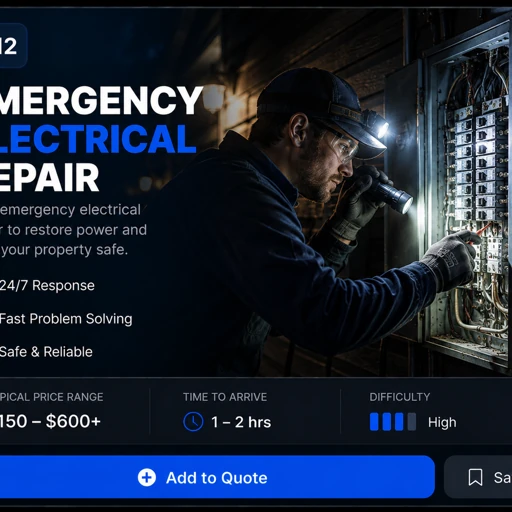
A clear electrical estimate protects the contractor, helps the homeowner understand the scope, and reduces confusion before work begins.
Electrical estimating requires clarity. A homeowner may not understand load calculations, conductor sizing, GFCI protection, panel capacity, grounding, permits, or code requirements. They do understand whether the contractor sounds organized, whether the price is clear, and whether the proposal explains what will happen in their home. A strong electrical estimate turns technical work into a customer-ready plan.
The best residential electricians use a checklist so important details are not missed. That checklist should cover job information, existing conditions, scope of work, materials, labor, permits, exclusions, warranty, cleanup, and approval steps. Whether the job is an outlet install, panel upgrade, EV charger, lighting project, or troubleshooting call, the estimate should make the work easy to understand.
Start With the Job Type and Existing Conditions
Every electrical quote should begin with what the customer asked for and what the electrician found. A request for a new outlet may reveal an older panel, no accessible circuit, aluminum wiring, overloaded devices, or drywall access issues. A panel upgrade may require utility coordination, permits, grounding updates, surge protection, or code corrections.
- Customer name and job address
- Requested electrical work
- Existing panel size and condition when relevant
- Access limitations or finished surfaces
- Observed code or safety concerns
- Photos of the work area when helpful
Write the Scope in Plain Language
The scope should be specific enough to protect the contractor and plain enough for the homeowner. Avoid writing only technical shorthand. Instead of install circuit, explain where the circuit will run, what it will serve, whether surface or concealed wiring is included, and what testing will be performed.
For example, an EV charger estimate might say: install one dedicated 240V circuit from the main electrical panel to the garage charging location, mount customer-approved charger, install required breaker, secure wiring as required, test operation, and clean work area. That is much clearer than EV charger install.
Include Permits and Inspection Notes
Electrical work often involves permits, inspections, utility coordination, and code compliance. If those are included, say so. If they are not included, say so. Homeowners may not know the difference, and confusion around permits can become a trust problem later.
Panel upgrades, service changes, EV chargers, major circuit work, and remodel wiring are the types of jobs where permit language matters most. A clear permit line item helps the customer understand that the cost is real and that the contractor is doing the job properly.
Flash Quote Electrical helps electricians create professional electrical proposals with clear scope, price, and approval steps instead of sending vague text-message quotes.
Separate Options When the Customer Has Choices
Many electrical jobs have multiple valid options. A homeowner may choose between basic fixture replacement and upgraded lighting, between a standard outlet and a dedicated circuit, or between a minimum panel repair and a full panel upgrade. Presenting options helps the customer understand the tradeoffs.
- Base option: solves the immediate request.
- Recommended option: improves safety, function, or reliability.
- Upgrade option: adds convenience, capacity, warranty, or future readiness.
Options should be clear, not overwhelming. Each one needs a short description, included scope, price, and next step. If financing or phased work is available, mention it.
List Exclusions Before the Job Starts
Electrical work can affect drywall, paint, cabinets, flooring, landscaping, utility access, and other trades. If patching, painting, trenching, utility fees, or fixture supply is not included, the estimate should say so before approval. Exclusions prevent disputes.
Do not bury exclusions in tiny language. Put them near the scope or under a simple heading. Customers appreciate direct communication when it is written in normal language.
Use Photos for Safety and Access Issues
Photos help electrical estimates because they show the condition of the panel, work area, attic access, crawlspace, damaged devices, unsafe wiring, or installation location. They also help the office or another electrician understand the job if the original estimator is not the installer.
Use photos to support the estimate, not to overwhelm it. The best photos answer questions: Where is the panel? What is the existing condition? What problem was found? Where will the new device or circuit go?
Price Troubleshooting Differently From Installation Work
Electrical troubleshooting is different from installing a known fixture or outlet. The electrician may not know how long it will take to find an intermittent fault, trace a circuit, identify a neutral issue, or diagnose nuisance tripping. For uncertain work, the estimate should clearly explain the diagnostic structure.
Some contractors use a diagnostic fee plus hourly troubleshooting after the first block of time. Others sell troubleshooting in fixed time blocks. Either approach can work if the customer understands what is included, when additional approval is needed, and how repair pricing will be handled after the issue is found.
Make Code Requirements Part of the Conversation
Homeowners often see code upgrades as extra cost unless the electrician explains why they matter. If GFCI protection, AFCI protection, grounding, bonding, surge protection, smoke detector updates, or panel corrections are required, the estimate should explain that these are part of doing the work correctly.
Do not rely on fear. Use clear language: This item is included because the existing condition does not meet current safety requirements for this work. That kind of explanation helps customers understand that code-related costs are not padding.
Use a Clear Approval Step
Electrical work should not begin from a vague verbal yes. The estimate should give the customer a simple approval path: approve the proposal, select an option, pay a deposit if required, schedule the work, and confirm access. This protects both sides.
For larger jobs like panel upgrades, service changes, generator interlocks, EV chargers, and remodel wiring, the approval step should also mention permit timing, utility coordination, material ordering, and expected schedule. That prevents the customer from assuming work starts immediately when outside coordination is required.
Review Lost Electrical Bids by Scope
If an electrician loses a lot of bids, the answer is not always lower pricing. Review lost jobs by scope. Are panel upgrades losing because the permit process is not explained? Are EV chargers losing because customers do not understand electrical capacity? Are lighting jobs losing because options are unclear? Each pattern points to a different fix.
A better estimate can win jobs without cutting price. Clear scope, photos, options, exclusions, and professional delivery often matter as much as the final number, especially when homeowners are comparing contractors they do not know well.
Electrical Estimate Checklist
- Identify the exact requested work and job location.
- Document existing panel condition and access issues when relevant.
- Write the scope in plain language a homeowner can understand.
- List permits, inspections, utility coordination, or code requirements.
- Separate options when the customer has more than one path.
- Call out exclusions like drywall repair, painting, trenching, or customer-supplied fixtures.
- Attach photos that explain safety, access, or existing conditions.
- Provide a clear approval and scheduling step.
This checklist protects the electrician and the customer. It reduces misunderstandings, keeps technical work clear, and makes the estimate easier to approve. It also gives the office better information if the customer calls back with questions.
Residential electrical customers are often nervous because they know mistakes can be dangerous. A professional proposal helps them feel that the contractor has a plan, understands the code requirements, and will communicate clearly before work begins.
Make the Estimate Useful for the Installer
A residential electrical estimate is also an internal handoff document. If the person who sold the job is not the person doing the work, the installer needs enough detail to avoid surprises. Include panel location, work area, access notes, customer preferences, materials, photos, and any promises made during the estimate.
This prevents the common problem where the customer expects one thing and the field electrician arrives with different information. A clear estimate keeps the sales conversation, installation plan, and customer expectation aligned.
For repeat work, save common electrical estimate language so the team is not rewriting the same scope every day. Outlet installs, panel upgrades, fixture replacements, EV chargers, troubleshooting blocks, and dedicated circuits can all start from proven wording, then be adjusted for the specific home.
That discipline makes the proposal faster today and easier to improve later.
Related Flash Quote Reading
- Electrical Estimating: What to Charge for Residential Electrical Work in 2026 - /blog/electrical-estimating-what-to-charge-residential-2026
- How to Build a Professional Contractor Proposal That Gets Signed Fast - /blog/how-to-build-professional-contractor-proposal-gets-signed
- 5 Reasons Contractors Lose Jobs Before the Estimate Is Even Sent - /blog/5-reasons-contractors-lose-jobs-before-estimate-sent
FAQ
What should an electrical estimate include?
It should include the job address, requested work, existing conditions, scope, materials or equipment, labor, permits, exclusions, price, warranty, and approval instructions.
Should electrical contractors include permits in the proposal?
If permits are required and included, list them clearly. If they are excluded or billed separately, state that before the customer approves the work.
How can electricians make estimates easier for homeowners to understand?
Use plain-language scope descriptions, photos, clear options, obvious exclusions, and a simple next step. Avoid relying only on technical shorthand.
Flash Quote Electrical gives residential electricians a faster way to build clean electrical estimates, explain scope, and send professional proposals from the field.