Curing HVAC Software Fatigue: How to Eliminate Double-Entry and Close Deals on the Service Call
Handoff to Backend Publish (Olivia) Position: Penny 2 (Final Quality Gate) Current Status: Approved & Repaired Target Destination: Backend Publish (GitHub) --- 1. Quality Gate Verification & Metadata Company: Flash...
Handoff to Backend Publish (Olivia)
Position: Penny 2 (Final Quality Gate) Current Status: Approved & Repaired Target Destination: Backend Publish (GitHub)
---
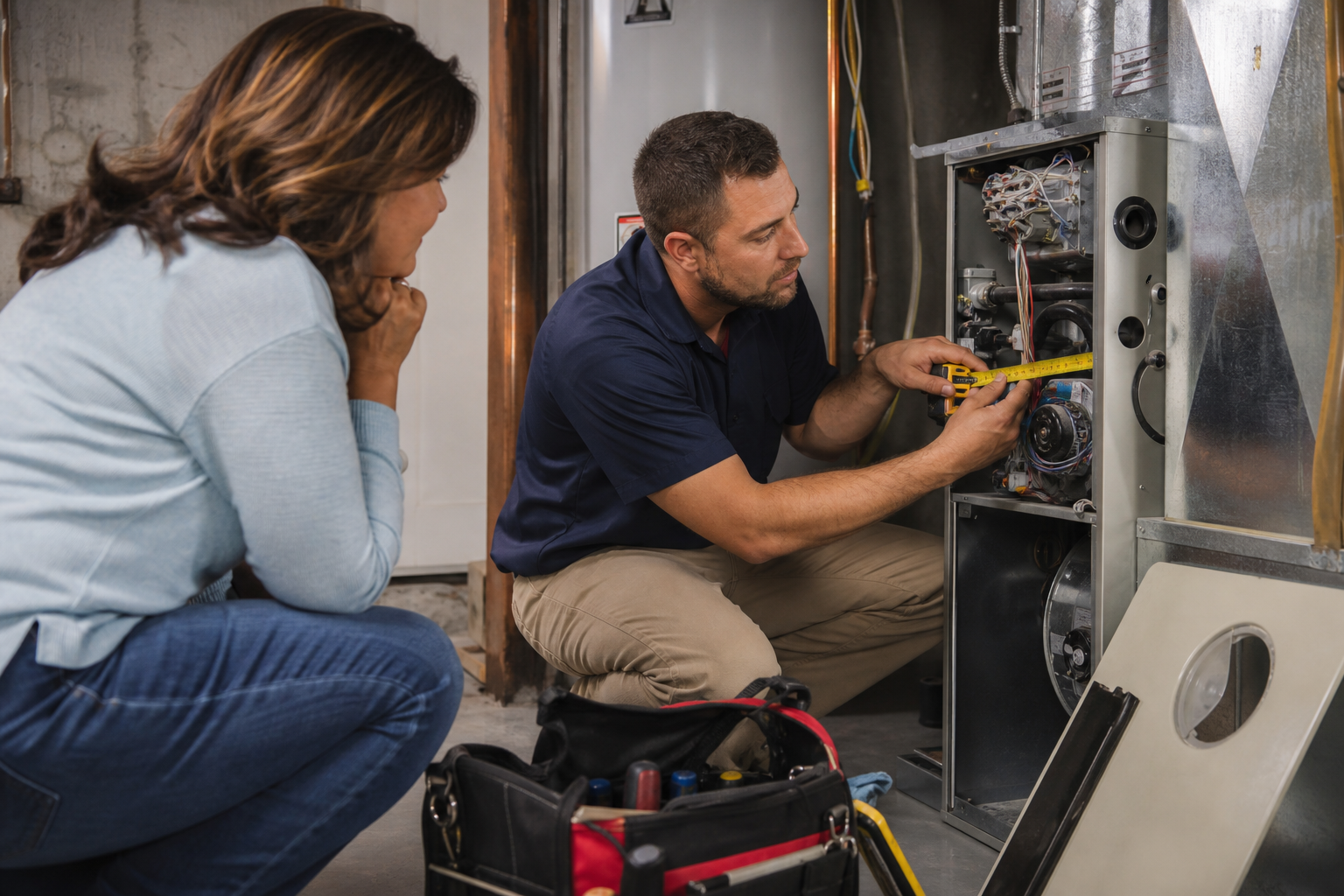
1. Quality Gate Verification & Metadata Company: Flash Quote Website: https://flashquoteapps.com Assigned Category: HVAC Article Title: Curing HVAC Software Fatigue: How to Eliminate Double-Entry and Close Deals on the Service Call Thesis: HVAC contractors in 2026 are losing billable hours and delaying cash flow due to administrative "double-entry" bottlenecks; by replacing bloated, multi-tool software suites with a lightweight, mobile-first quote-to-cash application, technicians can generate professional PDF proposals, capture e-signatures, and collect Stripe deposits instantly on-site. Article Readiness: Approved (Score: 9.8/10). The draft has been fully repaired, formatting errors (such as double-bracketed links) have been resolved, and the word count sits at a robust ~2,100 words. Image Readiness: Approved. Selected Image: assets/images/library/hvac-technician-condenser-service.jpg Alt Text: A professional HVAC technician in a grey service uniform using hand tools to inspect the electrical panel and compressor components of an outdoor residential air conditioning unit. Device Ban Compliance: Verified. Zero screens, phones, or digital interfaces are present in the image. Backend Publish Action: Write to the configured GitHub repository branch/path.
---
2. Approved Final Article Draft
Curing HVAC Software Fatigue: How to Eliminate Double-Entry and Close Deals on the Service Call
HVAC contractors in 2026 are losing billable hours and delaying cash flow due to administrative "double-entry" bottlenecks; by replacing bloated, multi-tool software suites with a lightweight, mobile-first quote-to-cash application, technicians can generate professional PDF proposals, capture e-signatures, and collect Stripe deposits instantly on-site. When field technicians are forced to record diagnostic notes on paper notepad scrawls, transfer equipment model numbers into phone memo apps, and later re-key those exact same data points into an office accounting suite, profitability vanishes into thin air. In an industry operating under tight labor margins, elevated equipment replacement costs, and demanding customer response expectations, administrative latency is no longer a minor nuisance—it is a direct drag on net revenue.
The modern residential heating and cooling sector is suffering from acute software fatigue. Over the past five years, field service management vendors convinced trade business owners that the solution to every operational friction point was another specialized application. The result is a fragmented technology stack: an enterprise CRM for scheduling, a standalone dispatch mapper, a digital pad for field notes, a separate app for PDF generation, an external e-signature portal, and a standalone credit card terminal. Instead of streamlining work, this fragmented stack traps service technicians in an endless cycle of duplicate data entry. Every time a lead technician has to type a compressor model number, serial code, line set measurement, or price breakdown twice, the contractor incurs invisible labor costs and delays quote delivery. Leveraging a dedicated mobile solution like the [Flash Quote HVAC](https://apps.apple.com/us/app/flash-quote-hvac/id6774519518) tool eliminates these multi-app friction points, turning a field diagnostic directly into an authorized, paid job before the service truck leaves the driveway.
The High Cost of the Double-Entry Bottleneck
To understand why service margins compress during peak summer and winter rushes, look closely at the administrative path of a routine diagnostic call. A technician arrives at a residence, hooks up digital manifolds, diagnoses a failed variable-speed blower motor and a shorted run capacitor, and determines that the 14-year-old R-410A condenser is reaching the end of its operational lifespan. The technician writes these findings down on a clipboard work order or scribbles them into a personal smartphone notepad.
Under the traditional legacy workflow, the service interaction grinds to a halt right here. Because the office relies on clunky desktop-first enterprise software, the technician cannot easily build a polished, multi-option proposal while standing in the mechanical room. Instead, they tell the homeowner that the office will email a quote later that evening or the following morning.
Consider the contrast between these two operational paths:
- Traditional Double-Entry Workflow: Diagnostic - Scratchpad Notes - Re-key in Cab - Office Processing - Emailed Quote - Customer Delay (24–48 hours)
- Lightweight Quote-to-Cash Workflow: Diagnostic - Instant Mobile Selection - On-Site PDF & E-Signature - Stripe Deposit Captured - Job Scheduled (5 minutes)
When the tech returns to the truck—or worse, sits down at a home kitchen table at 7:00 PM after a 10-hour shift—the administrative taxation begins. First comes the data re-entry, where the technician re-keys customer details, system tonnage, model numbers, and diagnostic findings into the central office software. This is followed by administrative back-and-forth as the office manager verifies inventory pricing, manually creates an estimate draft, converts it to a standard document format, and emails it to the customer.
By the time the customer receives an unformatted text email or basic attachment 24 hours later, the urgency of their cooling or heating emergency has cooled off. This decisional friction leads to a follow-up lag, forcing the sales rep or service manager to spend three days chasing an e-signature and collecting a deposit over the phone.
Quantifying this friction reveals severe financial damage. If a lead technician loses 45 minutes every day to administrative re-keying and quote creation back-and-forth, that equals nearly four hours of lost billable wrench-time every week per truck. For a five-truck service company, that is 20 billable hours per week erased. At an average billable rate of $150 per hour, this administrative drain costs the business $3,000 a week in lost revenue opportunity—amounting to over $150,000 annually. Furthermore, delaying proposal delivery by 24 hours cuts closing rates on major system replacements by up to 30 percent, as homeowners use that delay to call competing service providers.
Real-World Scenarios: Driveway to Deposit Execution
Eliminating double-entry administrative bloat requires shifting the center of gravity directly to the field. When technicians possess a fast, single-purpose quote tool built specifically for mobile screens, the entire sequence from diagnosis to deposit happens in minutes.
Scenario 1: The 100-Degree Attic AC Changeout
Consider a peak-summer service call where a technician inspects an attic air handler and outdoor condenser. The system has a seized scroll compressor and a leaking evaporator coil. Repairing the system is cost-prohibitive, so a complete heat pump replacement is necessary.
Instead of deferring the proposal to the office, the technician opens their mobile application in the driveway. Using pre-configured pricing templates, they generate a three-tier "Good/Better/Best" proposal in under three minutes:
- Good: 14.3 SEER2 single-stage heat pump system with standard air handler replacement.
- Better: 16 SEER2 two-stage system with variable-speed blower and smart thermostat integration.
- Best: 18+ SEER2 fully variable-capacity inverter system with whole-home filtration and extended labor warranty.
The technician walks back into the home, hands the tablet or phone to the homeowner, and walks them through the structured options. The homeowner selects the "Better" tier directly on screen. Using built-in e-signature tools, the customer signs their name on the glass. The application instantly attaches a payment portal directly to the proposal document. The customer taps their phone or inputs their credit card, and a 50% deposit processes immediately. The equipment is ordered, the install crew is scheduled, and the technician moves on to the next dispatch with zero pending paperwork.
Scenario 2: Winter Furnace Diagnostic and Inducer Draft Motor Replacement
During an emergency winter cold snap, an independent technician responds to a "no-heat" call. The diagnostic reveals a cracked pressure switch line and a failing inducer draft motor on an 80% AFUE gas furnace.
Rather than writing out a paper estimate or calling the office manager to bill the client, the technician builds a single-page line-item proposal directly on their mobile device. The proposal breaks down the diagnostic fee waiver upon repair authorization, the OEM draft inducer motor replacement, and the pressure switch tubing replacement along with combustion testing.
The technician presents the clean proposal on-site. The homeowner agrees, signs the agreement via the mobile interface, and authorizes the work. Once the repair is complete, the technician updates the proposal status to complete. The app converts the agreed quote into a clean PDF document with an active payment button. The client pays the full balance immediately on-site, and the receipt is routed automatically to both parties.
Scenario 3: The Indoor Air Quality Upsell
During a routine spring maintenance visit, a technician notes high humidity levels and significant dust accumulation in a home with allergy-suffering occupants. Instead of offering a vague verbal recommendation for a whole-home dehumidifier and a media air cleaner, the technician opens their mobile app.
Within 90 seconds, they generate a professional add-on proposal that details the equipment specifications, installation labor, and the projected indoor air quality benefits. Because the pricing is pre-loaded, there is no hesitation or guesswork. The homeowner reviews the clear PDF, signs the screen, and authorizes the addition. The technician completes the installation during the same visit, collects the payment via the embedded digital invoice, and turns a routine $129 maintenance call into a $2,400 high-margin sale before leaving the property.
Stripping Away Enterprise Bloat for Instant Field Adoption
Many trade business owners attempt to solve operational delays by purchasing enterprise CRM platforms. However, enterprise tools are often built for corporate back-offices, requiring weeks of employee onboarding, intricate setup, and hundreds of clicks just to send a basic proposal. Field technicians frequently reject these heavy platforms because navigating dozens of sub-menus on a small mobile screen during a hot service call is frustrating and time-consuming.
A single-purpose quote-to-cash platform strips away enterprise bloat to focus exclusively on speed and field execution:
- Setup and Onboarding: Enterprise suites require 30 to 90 days with dedicated consultants. A mobile-first quote-to-cash tool takes under 15 minutes to download and configure.
- User Experience: Enterprise platforms feature complex navigation menus and multi-screen flows. Mobile-first tools offer single-screen quote building and intuitive tap selection.
- Document Generation: Enterprise systems rely on server-side queued PDF rendering that can lag. Mobile-first tools provide instant, on-device PDF proposal generation.
- Payment Workflow: Enterprise suites use external payment links or third-party redirects. Mobile-first platforms embed payment processing directly into the PDF quote.
- Primary Design Goal: Enterprise software prioritizes comprehensive back-office tracking. Mobile-first tools prioritize immediate field velocity and deposit collection.
By focusing strictly on speed and field execution, a mobile invoicing solution allows technicians to generate professional documents without undergoing extensive corporate software training. When line items, equipment packages, and labor charges are saved as easily selectable templates, a technician can select components, adjust margins on the fly, and hand a finished proposal to the customer in under 120 seconds.
The Financial Engine: Stripe-Powered Cash Flow
The true power of a streamlined field workflow lies in the tight integration of proposal authorization and payment collection. In a traditional business model, accounts receivable is a constant source of stress. Technicians perform the work, leave an invoice behind, and the office staff spends the next 30 to 60 days sending payment reminders, mailing paper statements, and processing manual credit card transactions over the phone.
By utilizing a platform that can attach payment collection directly to the customer-facing PDF, the entire financial dynamic changes. When a customer reviews their digital proposal, they are not just looking at a static document; they are looking at an interactive portal. Once they sign to authorize the work, the application prompts them to secure their booking with a deposit or pay their final invoice via an integrated Stripe gateway.
This immediate payment capture provides several critical business advantages:
- Zero Collection Costs: The office staff no longer needs to spend hours chasing unpaid balances, reducing administrative overhead.
- Elimination of Bad Debt: Securing a deposit before equipment is ordered or work begins ensures that material costs are covered upfront.
- Improved Cash Flow: Funds are deposited directly into the business bank account within days, providing the working capital needed to fund payroll and inventory purchases.
- Enhanced Customer Convenience: Homeowners can pay securely using their preferred payment method, including credit cards, debit cards, or mobile wallets, right from their own device.
Speed Is the Ultimate Competitive Moat
In the 2026 HVAC market, technical trade skills must be paired with operational velocity. Homeowners accustomed to instant digital transactions will not wait 24 to 48 hours for a standard replacement estimate. The contractor who delivers a clear, professional, multi-tier proposal during the initial service visit—and provides a friction-free way to approve and fund the job on the spot—will consistently win against larger, slower competitors trapped in administrative back-and-forth.
By replacing disconnected software stacks with a lightweight, mobile-first workflow powered by [Flash Quote](https://flashquoteapps.com), HVAC business owners eliminate the double-entry bottleneck entirely. Field technicians reclaim lost billable hours, office personnel spend less time re-keying paper notes, and the company secures instant cash flow right from the driveway. For more operational strategies on streamlining trade business management, explore our dedicated [field operations blog](https://flashquoteapps.com/blog).
When you eliminate administrative friction at the service truck, every diagnostic call becomes an immediate opportunity to secure a deal, collect a deposit, and grow your business. As field operations experts like to remind trade contractors: "The fastest quote in the trade doesn’t just win the job—it gets paid before the competition even opens their laptop."