Closing Roofing Contracts on the First Visit: How Rapid Proposal Software Locks In Margins Ahead of 2026 Price Hikes
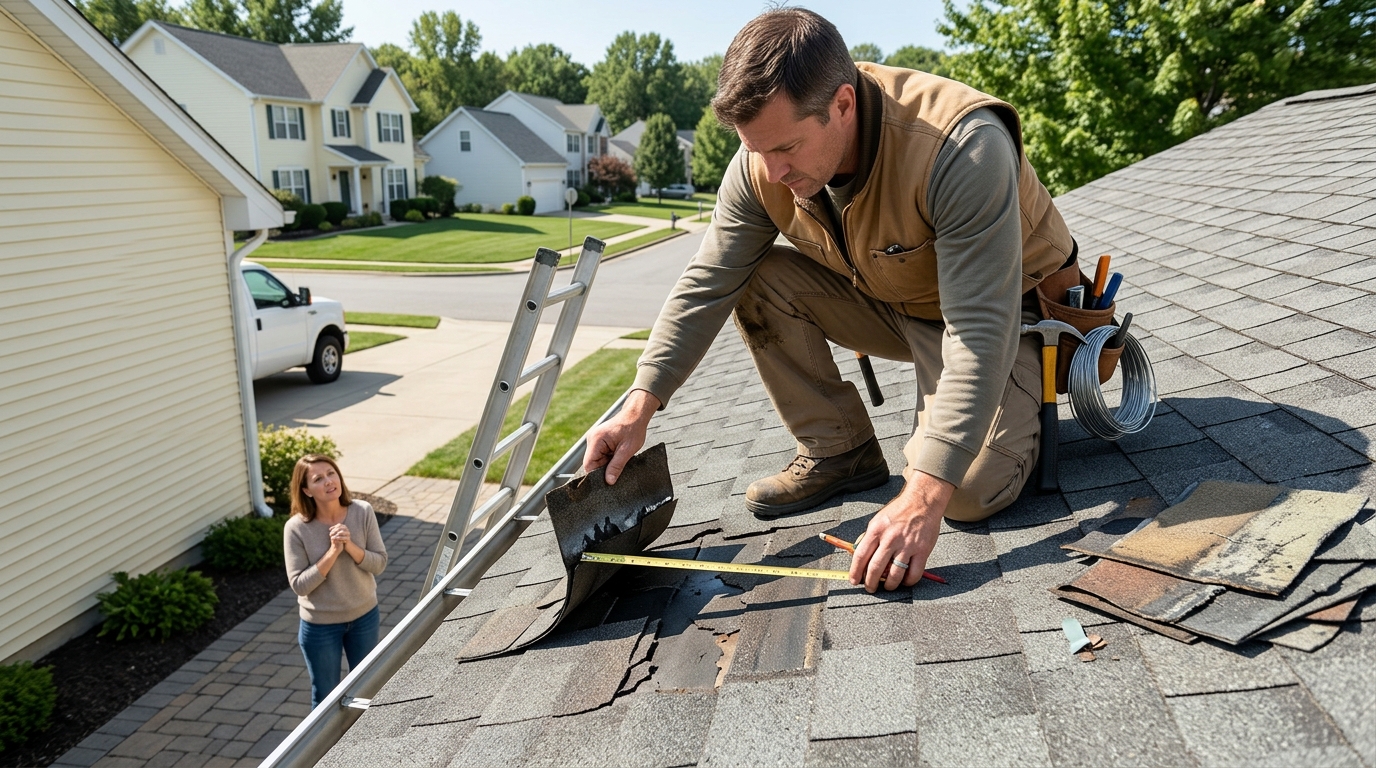
Closing Roofing Contracts on the First Visit: How Rapid Proposal Software Locks In Margins Ahead of 2026 Price Hikes When asphalt shingle manufacturers announced mid-year 2026 price increases ranging from 10% to 25%,...
Closing Roofing Contracts on the First Visit: How Rapid Proposal Software Locks In Margins Ahead of 2026 Price Hikes
When asphalt shingle manufacturers announced mid-year 2026 price increases ranging from 10% to 25%, roofing contractors across the country felt an immediate, familiar squeeze. Companies like GAF, Owens Corning, CertainTeed, TAMKO, and IKO faced surging feedstock and raw material costs, forcing suppliers to adjust distributor price sheets with minimal notice. For residential and commercial roofers, these rapid price movements transformed a simple delayed estimate into an active financial leak. A proposal written on Monday under old distributor pricing might yield a negative gross margin if signed three weeks later after a supplier price shift.
At the same time, homeowner expectations have shifted permanently away from paper estimate sheets and delayed callbacks. According to the Canopy Services 2026 Residential Roofing Market Outlook Report, 69% of homeowners state that total price is not their single deciding factor when choosing a roofing contractor. Instead, speed of delivery, clear line-item visibility, digital professionalism, and frictionless payment options are the primary factors driving winning bids.
When a homeowner experiences a leaking roof, storm damage, or an aging residential structure, they want certainty. The contractor who arrives, assesses the job, and provides an immediate, professional contract on site wins the business almost seven times out of ten. The contractor who says, "I'll go back to the office tonight and email you an estimate in a few days," invariably hands that contract to a faster competitor.
Winning in today's roofing market requires eliminating the administrative lag between the ladder drop and the signed agreement. By leveraging modern [roofing estimate app](https://flashquoteapps.com/roofing) technology to generate instant PDF proposals, collect e-signatures at the kitchen table, and secure upfront deposits on-site through built-in Stripe integrations, roofing businesses protect their profit margins and lock in job commitments before supplier cost increases erode profitability.
---
The True Cost of Administrative Delay in Roofing Sales
For decades, the standard sales workflow for residential re-roofing followed a sluggish, multi-step process:
- An estimator arrives at the property, measures the roof, checks pitch, inspects decking, and counts valleys, pipe boots, and chimney flashings.
- The estimator writes dimensions and notes on a physical clipboard or shorthand notepad.
- The estimator drives back to the shop or returns home after a full day of field visits.
- Late at night, the estimator manually inputs square footage, shingle line preferences, underlayment selections, dump trailer fees, and labor hours into a complex desktop spreadsheet or legacy software.
- A PDF estimate is manually compiled and emailed to the property owner two to four days after the initial site visit.
This administrative delay creates severe operational drag. Industry tracking from operational platforms shows that independent roofing contractors lose tens of thousands of dollars every month simply because aging estimates expire, home buyers lose momentum, or aggressive competitors step in with immediate turnarounds.
TRADITIONAL ESTIMATING TIMELINE vs. FIRST-VISIT CLOSING MODEL
Traditional Model: [ Site Visit ] --- (2-4 Days Field-to-Office Lag) --- [ Email Quote ] --- (Follow-up Delay) --- [ Price Creep / Lost Deal ]
First-Visit Model: [ Site Visit ] --- (5-Min Mobile Generation) --- [ In-Person Sign & Deposit ] --- [ Locked Materials & Scheduled Crew ]
When four days pass between the initial consultation and proposal delivery, three critical problems occur:
- Buyer Momentum Dissipates: Homeowners actively looking to repair or replace their roof are in a problem-solving state during the initial visit. Waiting four days gives them time to seek alternative bids from aggressive canvassers or local competitors.
- Supplier Price Exposure: In a market characterized by mid-year 10% to 25% price jumps across TPO membranes, polyiso insulation, and asphalt shingles, holding an unaccepted, open quote open for weeks forces the contractor to absorb unexpected distributor increases upon order placement.
- Administrative Burnout: Estimators and owners spend their evenings typing up estimates rather than running sales calls or overseeing field production.
Speed is not merely a convenience; it is a structural competitive advantage. When you compress the estimating timeline from days to minutes, your close rate increases significantly because you capture the customer's decision-making window while you are still standing on their property.
---
Decoupling Estimating Speed from Complex CAD Modeling
A common misconception among roofing contractors is that modern quote software must include complex aerial drone mapping, automated roof-pitch CAD rendering, or intricate 3D roof modeling. While high-end aerial measurement services have their place on massive, complex commercial structures, relying on heavy software for standard residential roof replacements creates unnecessary friction.
Most residential re-roofs do not require a two-hour digital modeling session to generate an accurate, binding agreement. A skilled roofing estimator or sales manager can determine the job scope within ten minutes of walking the property:
- Total Squares: Measured on-site or derived from quick ground/ladder measurements.
- Roof Pitch & Complexity: Standard 4/12 pitch versus steep 9/12 or multi-gabled architectural layouts.
- Material Line: 3-tab asphalt shingles, premium architectural shingles, standing seam metal, or synthetic slate.
- Tear-Off Requirements: Single-layer tear-off versus double-layer tear-off including rotten decking replacement terms.
- Accessories & Components: Drip edge, ice and water shield, synthetic underlayment, ridge vent footage, pipe boots, and flashings.
When your sales workflow relies on rapid [contractor quote software](https://flashquoteapps.com/roofing), the goal is not to produce a multi-page blueprint—it is to produce an unmistakable, legally binding, highly professional PDF proposal that clearly outlines the scope of work, warranty terms, payment milestones, and execution timeline.
By focusing on field-ready itemized templates, an estimator selects predefined packages, inputs the measured roof squares, adjusts for pitch or structural nuances, and generates a polished PDF contract in under five minutes.
---
Anatomy of a High-Converting Field Proposal
To close a roofing job on the first visit, the proposal document must accomplish four primary goals: establish digital credibility, provide transparent pricing, define clear liability and change-order terms, and provide an immediate mechanism for agreement and payment.
1. Transparent Scope Breakdown
Homeowners are inherently suspicious of single-line lump-sum estimates such as "New Roof: $16,000." Unitemized quotes breed anxiety regarding hidden fees or cut corners. Conversely, an over-complicated six-page itemized spreadsheet confuses the buyer.
A winning proposal uses clear, grouped subheadings:
- Tear-Off & Disposal: Specifying the removal of existing layers, disposal fees, and jobsite protection (e.g., plywood protection for landscaping and windows).
- Underlayment & Waterproofing Protection: Clearly stating where ice and water shield will be laid (valleys, eaves, rakes) and the rating of the synthetic underlayment.
- Shingle Specification: Highlighting brand name, color choice, manufacturer wind rating, and algae protection features.
- Ventilation & Metal Flashing: Specifying ridge vent footage, drip edge color, counter-flashing on chimneys, and boot replacements.
- Decking Replacement Clause: Setting a explicit per-sheet price (e.g., "$85 per 4x8 CDX plywood sheet") for rotten wood discovered after tear-off.
2. Time-Bound Price Guarantees
In an environment where manufacturers alter distributor pricing mid-season, every proposal must contain a clear, explicit expiration clause.
"Due to national building material price volatility, the material rates quoted in this proposal are guaranteed for 14 calendar days from the proposal date. Material orders secured with a paid 30% deposit lock in current pricing regardless of future supplier adjustments."
This clause serves a dual purpose: it protects your gross margin against sudden manufacturer price adjustments, and it gives the homeowner a logical, urgent reason to finalize their decision promptly rather than letting the estimate sit open for months.
3. Clear Payment Schedule Milestones
Unclear billing expectations create cash flow bottlenecks and disputes at the end of a job. A standardized payment schedule for residential roofing replacement projects looks like this:
- 30% Initial Deposit: Collected at contract signing to reserve installation dates and lock in material supply orders.
- 50% Production Draw: Collected on the morning of material delivery or tear-off commencement.
- 20% Final Retainage: Collected upon job completion, final property inspection, and magnetic magnet cleanup sweep.
---
Frictionless Field Closings: E-Signatures and Instant Stripe Deposits
The traditional process of emailing a proposal and waiting for a client to print, sign, scan, and mail back a deposit check adds unnecessary friction to the transaction. Every manual step introduced between a customer's verbal "yes" and their formal agreement increases the likelihood of buyer remorse or project cancellation.
Integrating an instant [e-signature proposals](https://flashquoteapps.com/roofing) workflow directly into your field proposal process eliminates this friction entirely.
FIELD SALES EXECUTION FLOW
[ Step 1: Input Job Details ] Estimator enters squares, material lines, and options into mobile app. | v [ Step 2: Present On-Screen PDF ] Estimator hands tablet/phone to homeowner to review line items and terms. | v [ Step 3: Capture E-Signature ] Homeowner signs directly on-screen or via instant SMS/email link. | v [ Step 4: Process Instant Stripe Deposit ] Homeowner inputs credit card, debit card, or Apple Pay details for 30% deposit. | v [ Step 5: Automated PDF Receipt ] Instant professional PDF proposal + payment receipt sent to customer & back office.
When an estimator presents the complete proposal on a tablet or mobile phone, the customer can read the exact terms, tap to sign digitally, and submit their credit card or digital wallet deposit via built-in [Stripe proposal software](https://flashquoteapps.com/roofing) in under two minutes.
Financial Benefits of Instant Field Deposits
- Elimination of Bad Debt & Bounced Checks: Funds collected directly through payment processors clear into your business account reliably, eliminating physical trips to the bank and bad check risks.
- Immediate Cash Flow for Material Purchasing: Deposit funds land in your account within 24 to 48 hours, providing immediate working capital to purchase shingle bundles, underlayments, and accessories from suppliers without tapping into high-interest credit lines.
- Legal Commitment: A signed contract paired with a cleared credit card deposit forms an enforceable legal agreement, drastically reducing post-quote cancellations.
---
Protecting Roofing Margins Against Supplier Price Hikes
Managing a profitable roofing company requires strict maintenance of gross margins. When asphalt shingle and membrane manufacturers enact mid-year price jumps, contractors who rely on slow pricing workflows often suffer severe margin compression.
Consider the math behind a typical 30-square residential architectural shingle replacement:
MARGIN IMPACT OF UNPROTECTED MATERIAL COST INCREASES
Base Job Parameters: - Scope: 30 Squares Architectural Shingles - Target Revenue: $15,000 ($500 / Square) - Expected Material Cost: $4,500 (30% of Total Revenue) - Expected Labor Cost: $4,200 (28% of Total Revenue) - Overhead & Disposal: $2,100 (14% of Total Revenue) - Expected Gross Profit: $4,200 (28% Gross Margin)
Scenario A: Standard Close (Deposit Collected Day 1) - Material Ordered Immediately at Base Cost ($4,500) - Realized Gross Profit: $4,200 (28% Margin Retained)
Scenario B: Delayed Close (3-Week Lag + 20% Manufacturer Price Jump) - New Material Cost: $4,500 x 1.20 = $5,400 (+$900 Increase) - Contract Price Fixed at $15,000 (No Expiration Clause Used) - Realized Gross Profit: $4,200 - $900 = $3,300 (Margin drops from 28% to 22%)
In Scenario B, a failure to close promptly or enforce time-sensitive quote terms cost the business $900 in direct profit on a single job. Across 50 residential replacement jobs in a season, that administrative lag results in a $45,000 net loss in bottom-line profitability.
By pairing rapid mobile quote software with tight material expiration windows, roofing owners ensure that every project signed in the field maintains its target gross margin regardless of broader economic volatility.
---
Step-by-Step Implementation Guide for Roofing Teams
Transitioning your sales team or independent crew from delayed office-based estimates to an instant field-closing process requires establishing structured templates and a repeatable routine.
Step 1: Pre-Build Standardized Line Item Templates
Before sending sales reps into the field, configure your core material and labor pricing structures within your [contractor quote software](https://flashquoteapps.com/roofing). Create standardized line items based on unit pricing (per square, per linear foot, or per piece):
- Architectural Shingle Standard Package: Cost per square including shingles, starter strip, hip & ridge, synthetic underlayment, and nails.
- Premium Lifetime Shingle Package: Upgraded architectural line with heavy-duty ice & water shield across all eaves and valleys.
- Low-Slope / Flat Roof Package: TPO or self-adhered modified bitumen rate per square.
- Add-On Line Items: Chimney flashings, skylight replacement kits, gutter apron, fascia board repair per linear foot, and pipe boot upgrades.
Having these costs pre-programmed allows estimators to quickly tap and add components during a walkthrough without performing manual math under pressure.
Step 2: Train Estimators on the 10-Minute Walkthrough Protocol
Establish a systematic routine for every sales consultation:
- Initial Walk & Measurement: Inspect roof slope, structural condition, valleys, flashings, and ground access.
- Needs Assessment: Sit with the homeowner, show photos of key problem areas captured during the roof check, and confirm their shingle color and line choices.
- Draft the Proposal On-Site: Open your mobile proposal app, select the pre-configured package, input total squares, select add-ons, and review the instantly calculated total.
- Present and Review: Turn the mobile screen toward the homeowner or hand them a tablet. Walk through the itemized breakdown, warranty terms, and deposit payment requirement.
- Close and Collect: Tap to open the e-signature field, allow the homeowner to sign with their finger or stylus, select credit card or bank payment, and process the deposit via Stripe.
Step 3: Automated Back-Office Synchronization
Once the customer signs and pays the deposit on-site, the software immediately fires an automated workflow:
- A copy of the signed contract and payment receipt is emailed automatically to the customer.
- A notification with the complete scope of work is sent to the production coordinator to place material orders immediately with the local supply distributor (e.g., ABC Supply, Beacon, or Bradco).
- A final clean [PDF invoice app](https://flashquoteapps.com/roofing) record is filed in the company ledger to track remaining draw amounts upon crew deployment and job completion.
COMPLETE CONTRACTOR WORKFLOW: SITE VISIT TO FINAL PAYMENT
[ Estimator Site Visit ] | v [ Select Pre-Built Package ] --- (Input Squares & Custom Notes) | v [ Present PDF Proposal ] --- (14-Day Material Expiration Clause Visible) | v [ E-Sign & Stripe Deposit ] --- (30% Deposit Clears Immediately) | v [ Auto-Order Materials ] --- (Lock in Supplier Pricing Ahead of Increases) | v [ Production & Final Draw ] --- (Progress Invoice Delivered via PDF / Stripe)
---
Eliminating Common Objections to On-Site Closing
Many contractor business owners hesitate to implement on-site closing workflows because they anticipate customer pushback. Here is how modern roofing professionals handle common field scenarios:
"I need to review this with my spouse before deciding."
Response: "I completely understand. I will send this official proposal straight to both of your email addresses right now. Because material costs are shifting rapidly this season, the pricing in this proposal is guaranteed for 14 days. You can open the proposal on your phone or computer, select your payment method, and complete the digital signature whenever you are both ready."
By providing a clean, mobile-optimized link or PDF directly to their inbox while standing in their driveway, you allow them to sign electronically later that evening without requiring a second in-person sales visit.
"Can you give me a broad ballpark figure first?"
Response: "I don't like giving ballpark numbers that change later when you get the bill. Let me spend five minutes measuring your roof and selecting the right package, and I will give you an exact, binding quote down to the penny before I leave."
Homeowners value precision. Replacing vague verbal ballpark quotes with rapid, line-item PDF proposals builds immediate trust and sets your business apart from casual sub-contractors.
---
The Long-Term Impact on Contractor Profitability
In a competitive market where material prices change quickly and customer response times determine who gets the job, relying on slow desktop estimating processes is a major liability. Contractors who embrace rapid, mobile-first proposal systems transform their sales process from a frustrating administrative burden into a streamlined closing engine.
By combining instant proposal generation, standardized trade templates, binding on-screen e-signatures, and instant credit card deposit collection, roofing contractors protect their profit margins against supplier price jumps, eliminate lost sales opportunities, and build a modern, cash-flow-positive business.
To explore additional strategies for streamlining contractor workflows, field estimating techniques, and client communication frameworks, visit the [Flash Quote Blog](https://flashquoteapps.com/blog) for actionable guides built for trade professionals.
The contractor who controls their time and speed controls their profit; presenting a clear, binding proposal and collecting the deposit on the first visit is the single fastest way to secure high-margin roofing jobs in today's market.