A Great Roof Photo Isn’t a Sales Process
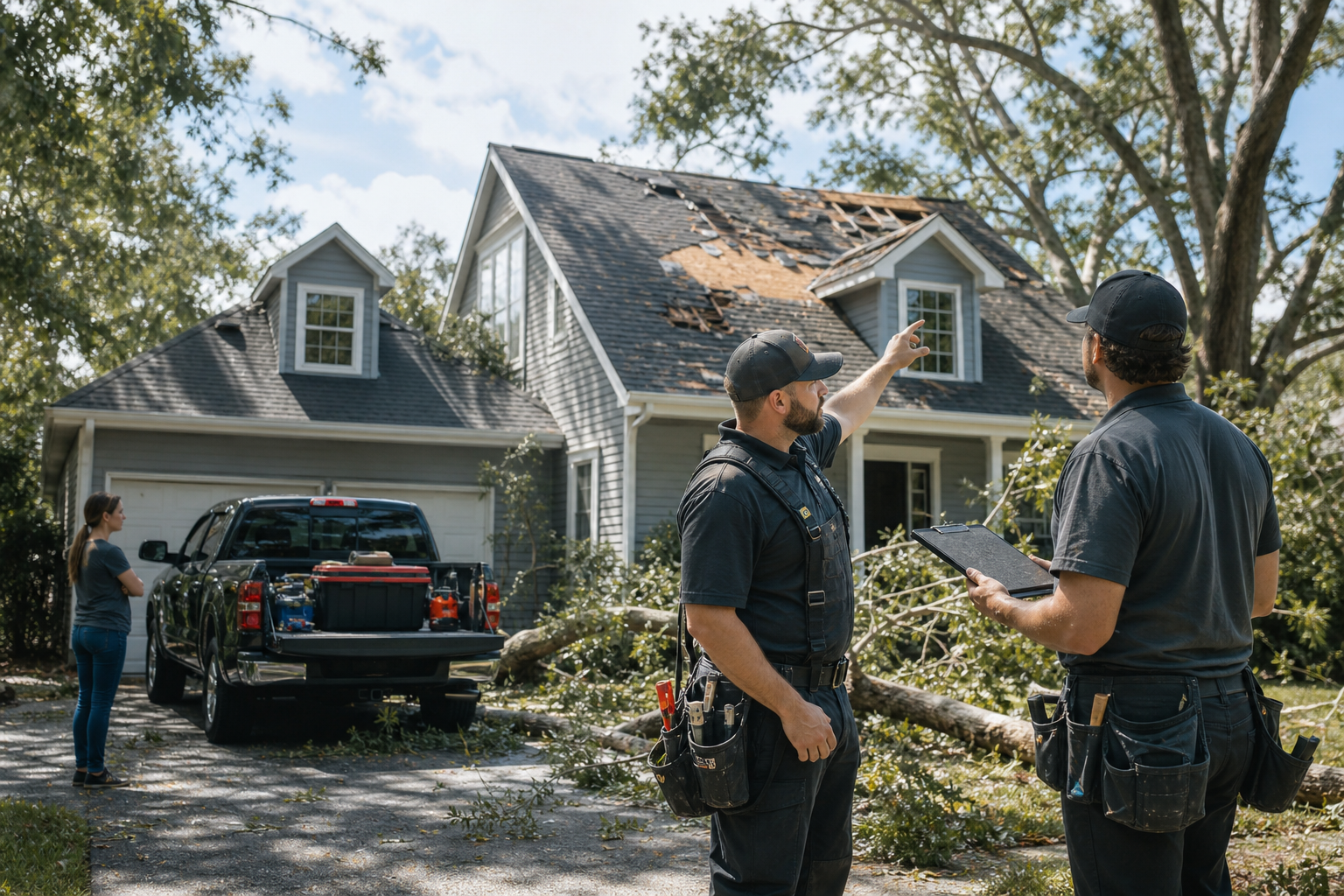
A Great Roof Photo Isn’t a Sales Process A sharp roof photo can stop a homeowner mid-scroll. It can prove craftsmanship, expose a problem that was invisible from the ground, and make your crew look like the real deal....
A Great Roof Photo Isn’t a Sales Process
A sharp roof photo can stop a homeowner mid-scroll. It can prove craftsmanship, expose a problem that was invisible from the ground, and make your crew look like the real deal. But a photo is not a sale. In roofing, the contractor who wins is not the one who collects the most attention—it is the one who turns visible proof into a fast, job-specific proposal while the customer still feels the urgency.
That is the real edge: not getting seen, but moving the homeowner from “that looks good” to “let’s do it” before they start asking around, pricing options, and comparing you with three other names in town.
Proof Gets the Click. The Proposal Gets the Job.
Roofing is one of the few trades where the evidence is easy to see and easy to share. A drone shot of a finished roof in the neighborhood. A close-up of cracked pipe-boot flashing. A clean before-and-after from a storm-damaged ridge. A homeowner does not need to be a roofer to understand the difference.
That makes roofing photos powerful. They build trust quickly, make hidden issues feel real, and show the kind of finished work customers want to buy.
But the photo alone does not close anything.
The homeowner still needs clear answers: What is wrong? What do you recommend? What are the options? What does it cost? If the answer arrives two days later as a generic estimate, the moment is already slipping away. The customer has had time to cool off, call another contractor, or decide to “think about it.”
That is why the inspection, quote, signature, and payment step must connect. [Flash Quote Roofing](https://apps.apple.com/us/app/flash-quote-roofing/id6772379864) helps contractors turn field notes and jobsite photos into a customer-ready proposal while the roof, the problem, and the conversation are still fresh.
A great photo opens the door. A great proposal walks through it.
The Lead Starts When the Camera Comes Out
The most useful question after taking an inspection photo is not, “Will this get engagement?” It is, “What decision does this help the homeowner make?”
A photo of damaged step flashing should help the homeowner understand why the leak keeps coming back. A photo of curling shingles near a vent stack should turn a vague concern into a visible recommendation. A photo of overflow marks at the gutter line can start a practical conversation about water management before the next storm creates a bigger issue.
This is where roofing businesses lose momentum. They do the hard part right: inspect, document, explain. Then they hand off the close with a broad estimate that reads like it was lifted from another job.
A better quote is tied to the actual property in front of you. It answers the questions homeowners are already asking:
- Which section of the roof is included?
- What exactly is being repaired or replaced?
- What materials are specified?
- What labor, cleanup, and protection are included?
- What happens if hidden damage appears once work starts?
- What does the homeowner need to approve to get on the schedule?
That level of specificity changes the entire conversation. “Repair roof leak” is easy to postpone because it feels abstract. “Remove and replace damaged step flashing at the rear chimney, replace adjacent disturbed shingles, inspect surrounding decking, and reseal penetration details” sounds like a real plan because it is one.
The more closely the proposal matches the inspection, the less room there is for doubt.
Reroof Jobs Win When the Choices Are Visible
A reroof conversation often starts simply. The roof is tired. The homeowner knows it. Replacement is probably the right move.
Then the details show up.
One homeowner wants to know whether standard ventilation is enough. Another has heard about ridge-vent upgrades and wants to know whether the house needs them. A third is comparing shingle classes and trying to understand whether the difference is cosmetic, structural, or both. If those decisions are explained once in person and then buried inside a broad estimate, the homeowner has to reconstruct the whole conversation later.
That is where deals stall.
A strong reroof proposal should make the choices obvious. The base scope should say what is included in plain language: tear-off, deck preparation as needed, underlayment, shingles, flashing, cleanup, and the specified ventilation approach. If there is an upgraded option, present it cleanly as a separate choice rather than hiding it inside a larger total.
This matters because the homeowner is often emotionally ready before they are technically confident. They already know the roof is failing. What they do not know is how to compare one solution with another without guessing.
A good proposal helps them compare the actual work, not just the price.
Picture a contractor inspecting a 20-year-old asphalt-shingle roof after a storm. The homeowner sees granule loss, curling edges, and a weak ridge line. The contractor takes photos, explains the wear, and recommends replacement. If the follow-up document is a fast, job-specific quote with clear options, the homeowner can move forward while the problem is still vivid. If the estimate arrives as a loose price range, urgency fades and the house goes back into the comparison-shopping pile.
The contractor who wins that job is rarely the one with the prettiest before-and-after. It is the one who made the decision easy.
Leak Repairs Need Clarity, Not Drama
Leak work is where a dramatic photo can create the wrong kind of confidence. A homeowner sees water stains inside, then a close-up of cracked sealant or rusted flashing on the roof, and assumes the fix must be simple. Sometimes it is. Often it is not.
A leak can start at a chimney, travel under shingles, and show up inside ten feet away. The visible symptom is rarely the full story. That is why the inspection image matters: it gives the homeowner something they can understand. But the proposal has to do more than repeat the drama.
If the scope just says “replace flashing,” the homeowner still does not know what that means. Does the repair include removing shingles? Is the flashing being replaced or simply sealed? Is the chimney chase involved? What if the decking is damaged when the area is opened?
A good roofing quote tells the truth about what is known and what may still change. It should define the repair area, describe the planned removal and replacement steps, and note reasonable contingencies without turning the estimate into a guessing game. That is more professional than pretending every leak is perfectly predictable.
It is also faster to close.
A homeowner worried about the next rainstorm does not want a long buying process. They want to know whether you understand the problem and can move it toward resolution. A clear repair proposal does that. It says: We saw the issue, here is the fix, here is the scope, and here is how you approve it.
That is a sales process.
Add-Ons Work Best When They Belong to the Scope
Some of the easiest roofing add-ons are also the easiest to mishandle. Gutters, gutter guards, snow retention, drip-edge upgrades, and related roofline work often come up during an inspection because the contractor notices a practical problem. Water is spilling over a short run. A steep metal roof needs better snow control near an entry. A replacement roof would look unfinished if old gutters stayed in place.
Those are legitimate recommendations. They become awkward only when they are framed like a pressure move.
The difference is context. If the contractor has a photo showing overflow marks, loose hangers, or a roof-to-gutter transition that needs attention, the add-on feels connected to the problem. It reads as part of the solution, not a random upsell. The homeowner can approve it in the same flow or leave it out without feeling cornered.
That matters because homeowners often reject add-ons for one simple reason: they cannot tell what the work includes. They do not know whether the price covers one short run or the whole elevation. They do not know whether the recommendation is urgent or optional. Uncertainty creates resistance.
A clean proposal removes that friction.
For contractors who want the process to keep moving, the paperwork should not become a second job. When Stripe payment collection is attached to the customer-facing quote PDF, the proposal does more than describe the work. It gives the homeowner a quick way to sign and pay without another round of reminders, missed calls, or back-and-forth emails. That matters when the roof is ready for the schedule and the contractor is trying to hold momentum.
The Best Close Is Simple: Photo, Quote, Signature, Deposit
Roofing sales usually slow down after the inspection. The homeowner is interested, the contractor knows what should happen next, and then the process gets scattered.
The office sends a PDF. The homeowner prints it or asks whether an email reply counts. Someone follows up for a signature. Payment instructions arrive separately. Every extra step gives the homeowner more time to hesitate and more room to keep shopping.
The cleaner path is better:
Photo → Fast Proposal → E-Signature → Deposit → Scheduled Work
The photo shows the problem or the completed result. The proposal translates that evidence into a job-specific plan. The signature confirms the decision. The deposit confirms commitment and helps the contractor line up labor, materials, and schedule.
That is why the proposal itself has to feel like the next move, not a document that asks the homeowner to do another round of administration. The more time the customer spends wondering what to do next, the more likely they are to delay. The more obvious the next step, the more likely they are to act while the need still feels immediate.
Contractors looking to tighten that handoff can find more practical guidance on the [Flash Quote blog](https://flashquoteapps.com/blog) and explore the broader tools available through [Flash Quote](https://flashquoteapps.com).
Roofing Trust Is Built Between Seeing and Signing
A homeowner does not hire the prettiest roof. They hire the contractor who makes the next step feel clear, credible, and easy.
That is why roofing businesses should think of every inspection image, repair recap, and project photo as the beginning of a sales sequence. The visual proof matters. It earns attention. It creates trust. But trust still has to be converted into action while the job is vivid and the homeowner is paying attention.
A good roofing business uses the photo to start the conversation, the proposal to frame the decision, and the payment step to make the close painless. The contractor who can do that quickly is not just marketing well. They are selling well.
“A roof photo earns the glance, but only a connected proposal earns the job.”